
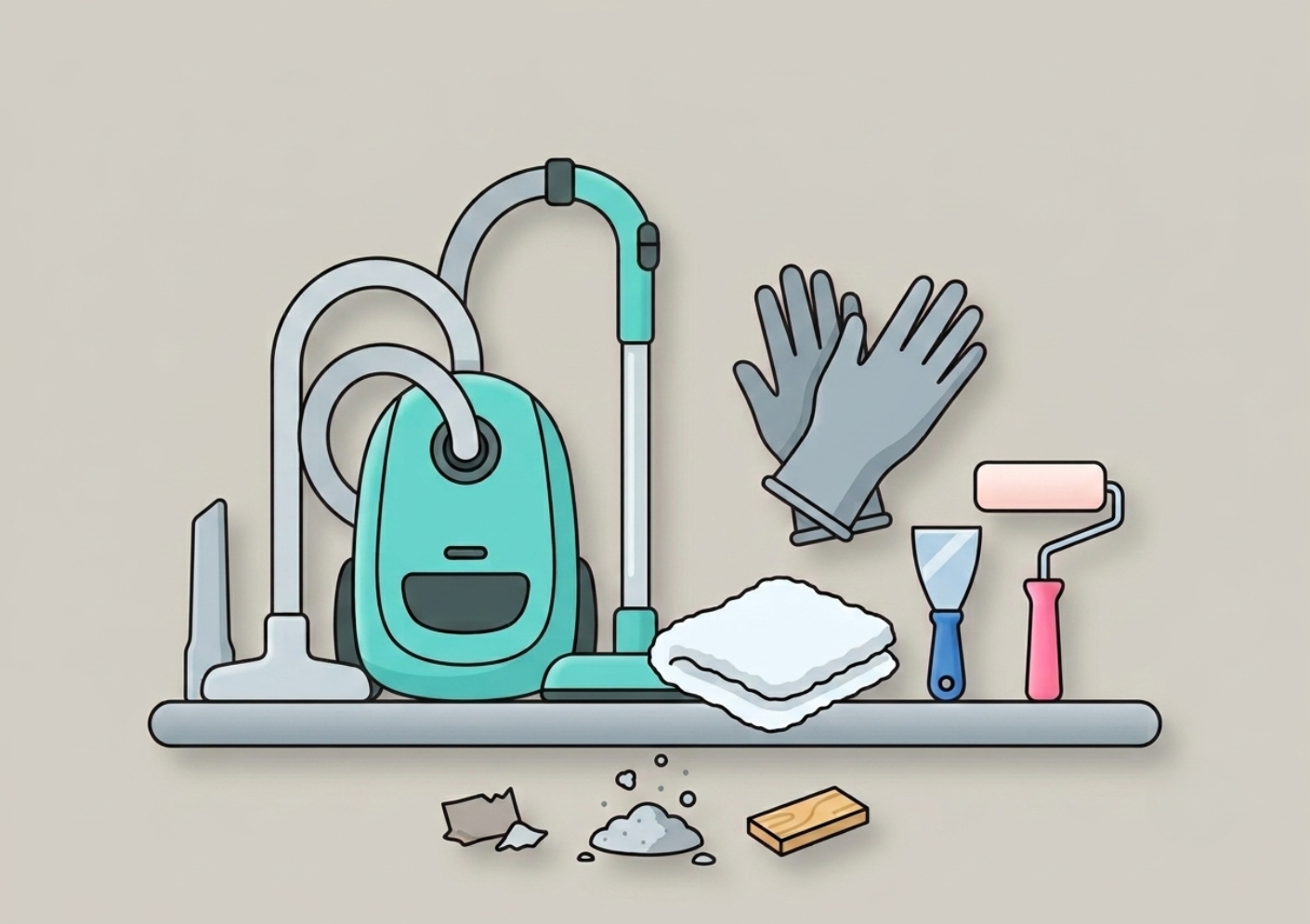
Renovation work can improve a home, but it often leaves behind fine dust, paint marks, packaging, and building residue. Even when contractors remove the main debris, smaller particles may settle throughout nearby rooms.
Post-renovation cleaning usually requires more care than an ordinary household clean. Working in the correct order can prevent dust from being moved repeatedly around the property.
Remove Debris Safely
Begin by removing packaging, offcuts, protective coverings, and loose building materials. Wear suitable gloves and footwear, particularly where sharp objects may be present.
Do not handle materials that could contain asbestos, lead, or other hazardous substances. Older UK properties may require specialist assessment before disturbed materials are cleaned or removed.
Follow local requirements for disposing of paint, chemicals, rubble, electrical items, and other controlled waste.
Let Fine Dust Settle
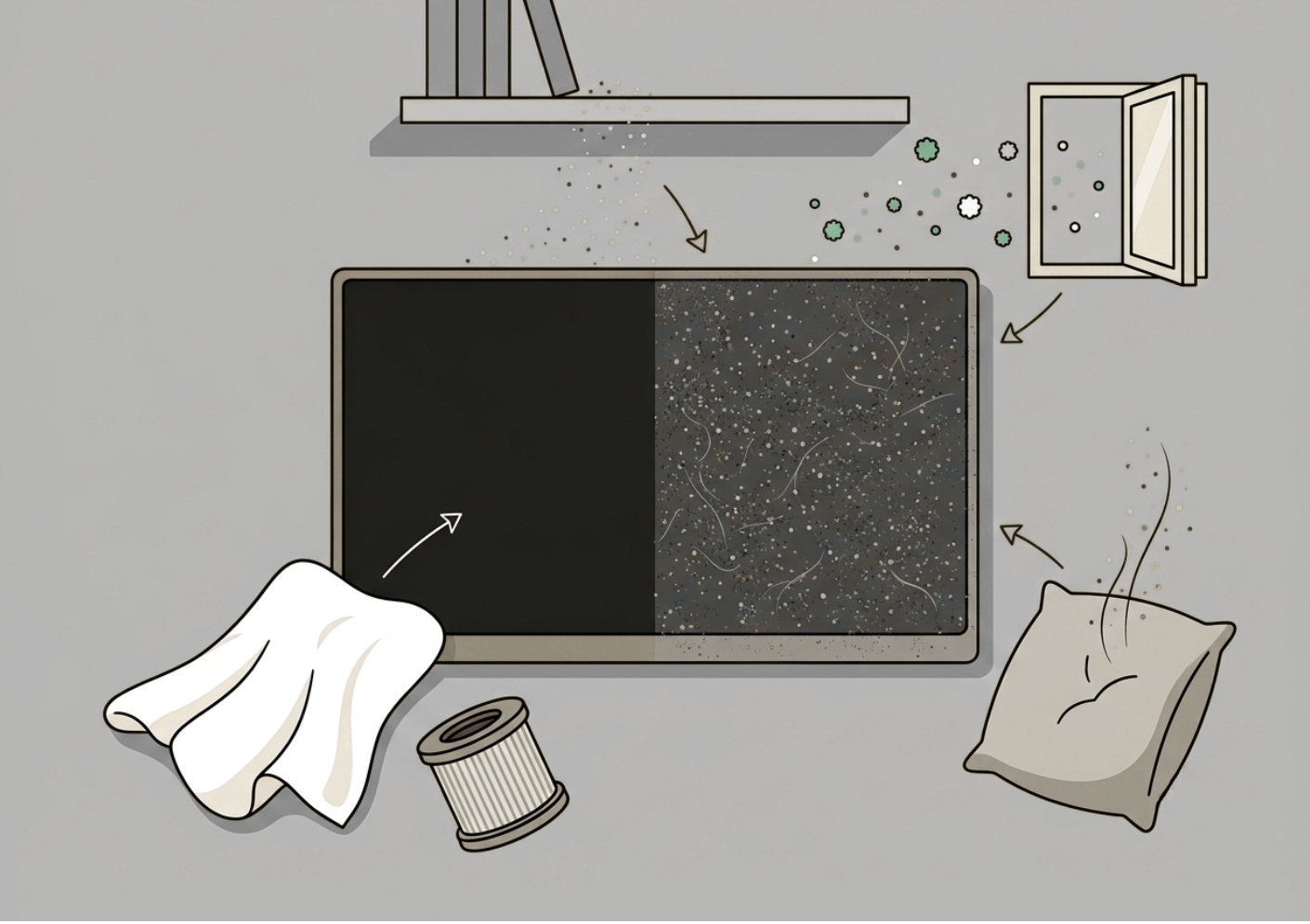
Renovation dust can remain in the air after work has finished. Ventilate the property where appropriate and allow particles to settle before beginning detailed cleaning.
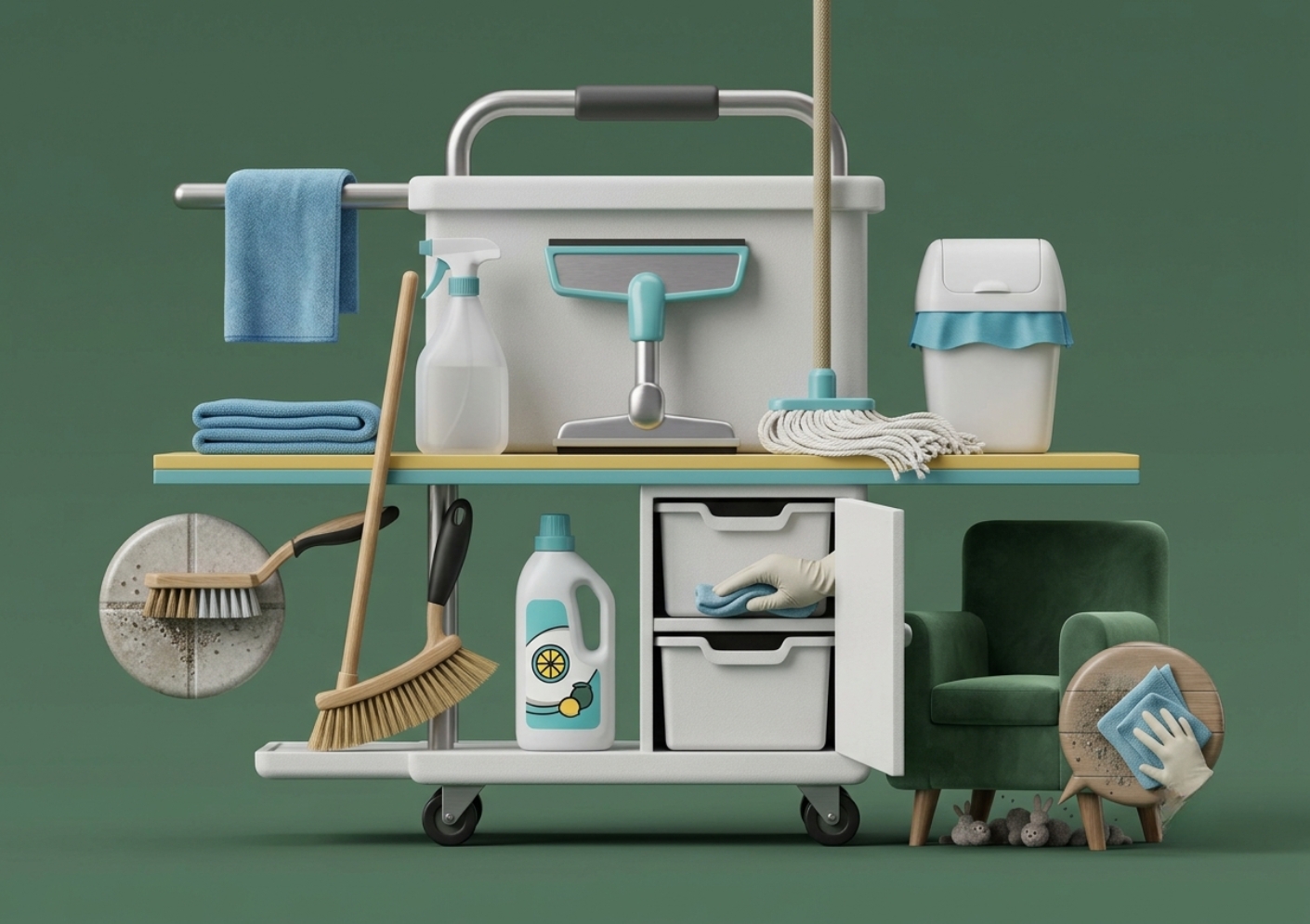
Avoid dry sweeping because it may send dust back into the air. Use a vacuum cleaner with suitable filtration and attachments, followed by damp microfibre cloths.
Clean or replace vacuum filters regularly during the process, as fine building dust can block them quickly.
Work From High to Low
Start with ceilings, cornices, light fittings, shelves, door tops, and the tops of cupboards. Then move to walls, windows, sockets, radiators, skirting boards, and floors.
This allows falling particles to be collected later rather than settling on areas that have already been cleaned.
Wipe surfaces more than once if necessary. Fine dust may continue to appear after the first pass, particularly around newly plastered or sanded areas.
Remove Marks Carefully
Paint spots, adhesive, plaster, grout haze, and sealant may require different removal methods. Check the affected material before applying any product.
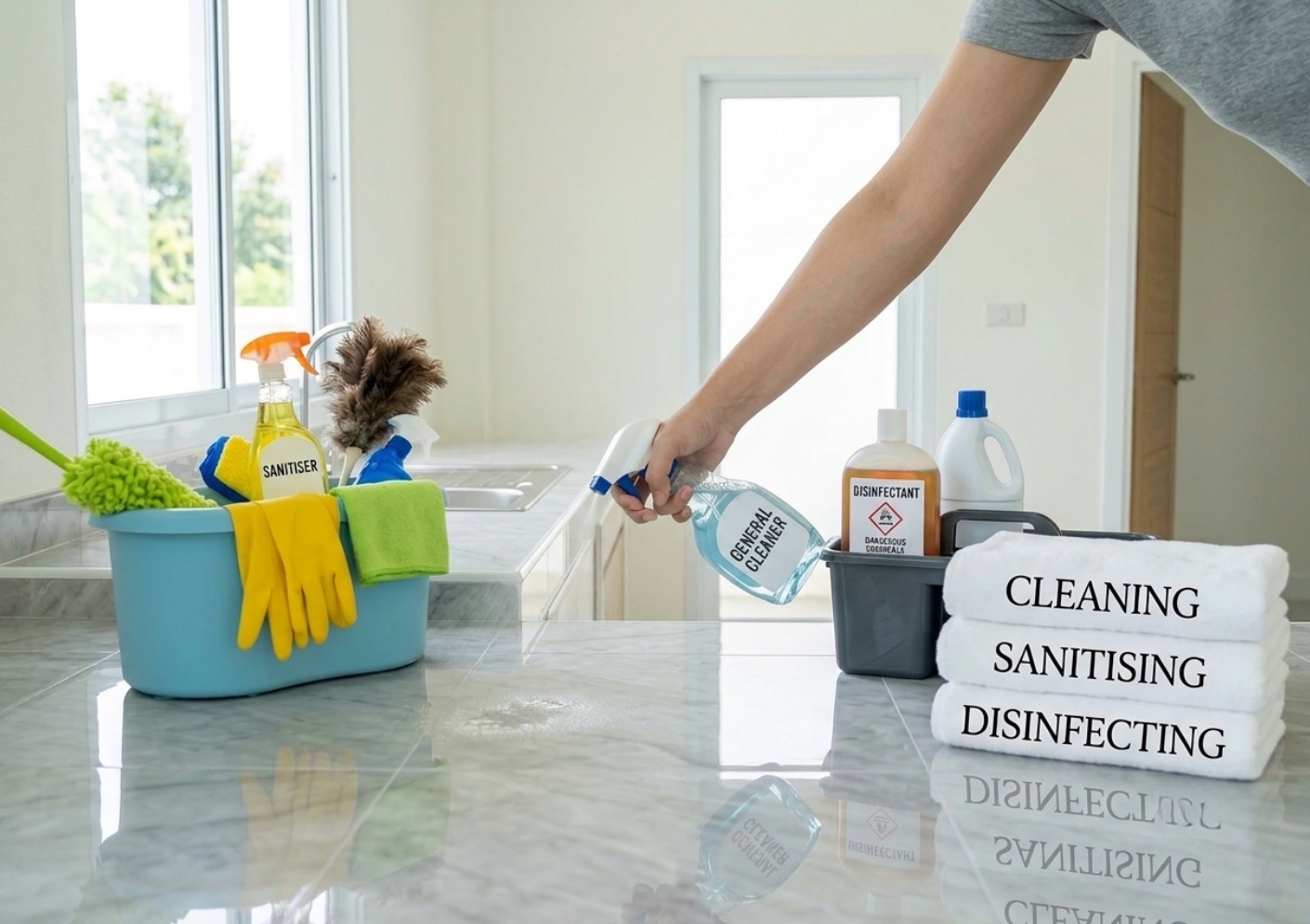
Test cleaners on a small hidden area first and follow the manufacturer’s instructions. Avoid scraping glass, wood, tiles, worktops, or fittings with unsuitable tools.
Permanent scratching or discolouration can occur quickly, so specialist advice may be safer when the correct method is uncertain.
Check Connected Rooms
Dust often travels beyond the room where the renovation took place. Inspect hallways, stairs, bedrooms, cupboards, vents, and nearby furniture.
Vacuum curtains, rugs, upholstery, and mattresses if they were not fully protected. Clean inside newly installed cupboards before storing food, clothing, or household items.
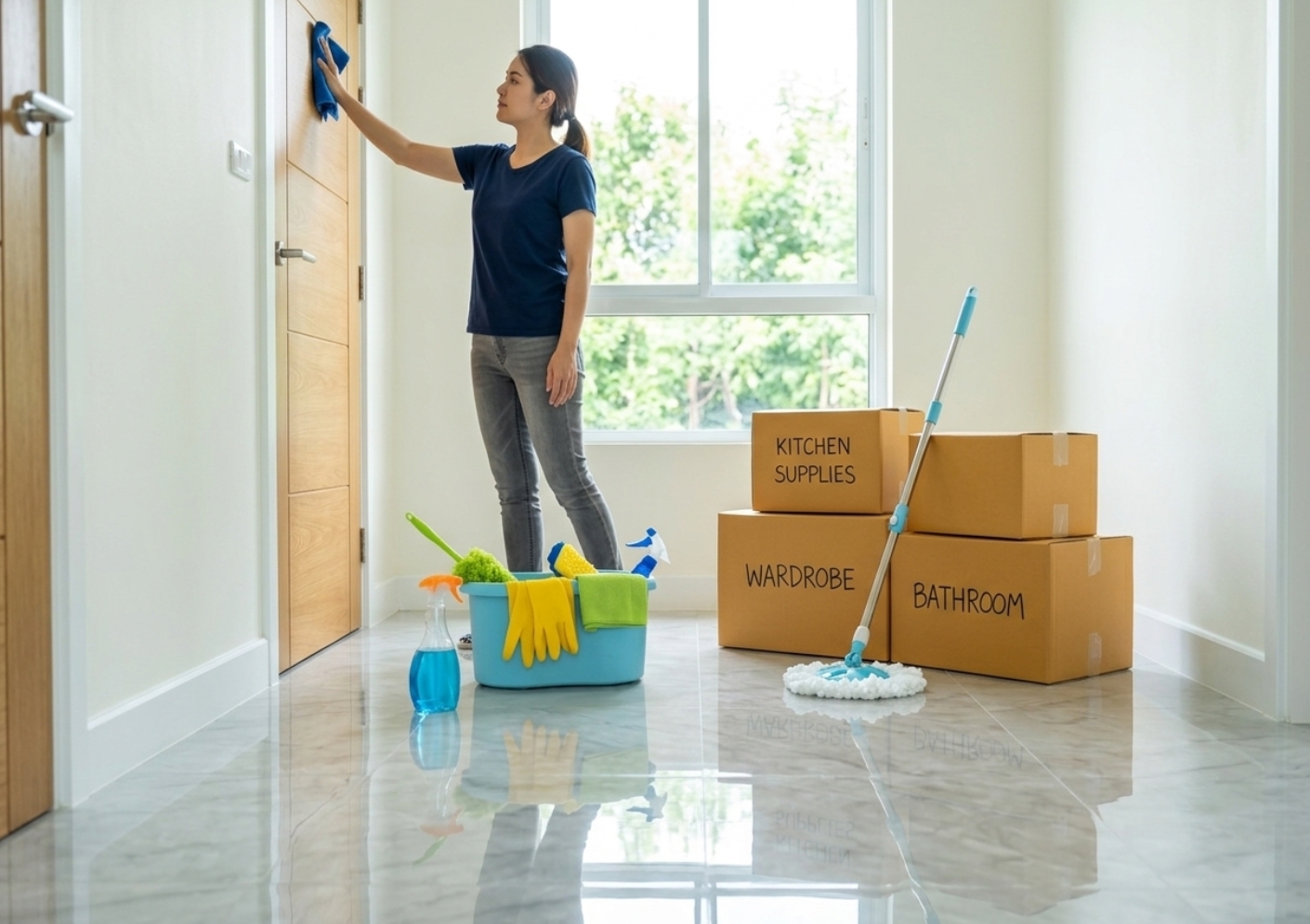
Also wipe handles, switches, sockets, window frames, extractor covers, and appliance surfaces.
Post-renovation cleaning may require several rounds because fine particles continue settling. Remove large debris first, then clean high surfaces, fittings, fabrics, and floors.
Do not rush delicate surfaces or use stronger chemicals simply to finish faster. Careful cleaning protects new materials and prevents avoidable damage.
Once the dust, residue, and hidden areas have been addressed, ventilate the property again and check the rooms in natural light. A final inspection will help identify remaining marks before furniture and belongings are returned.