
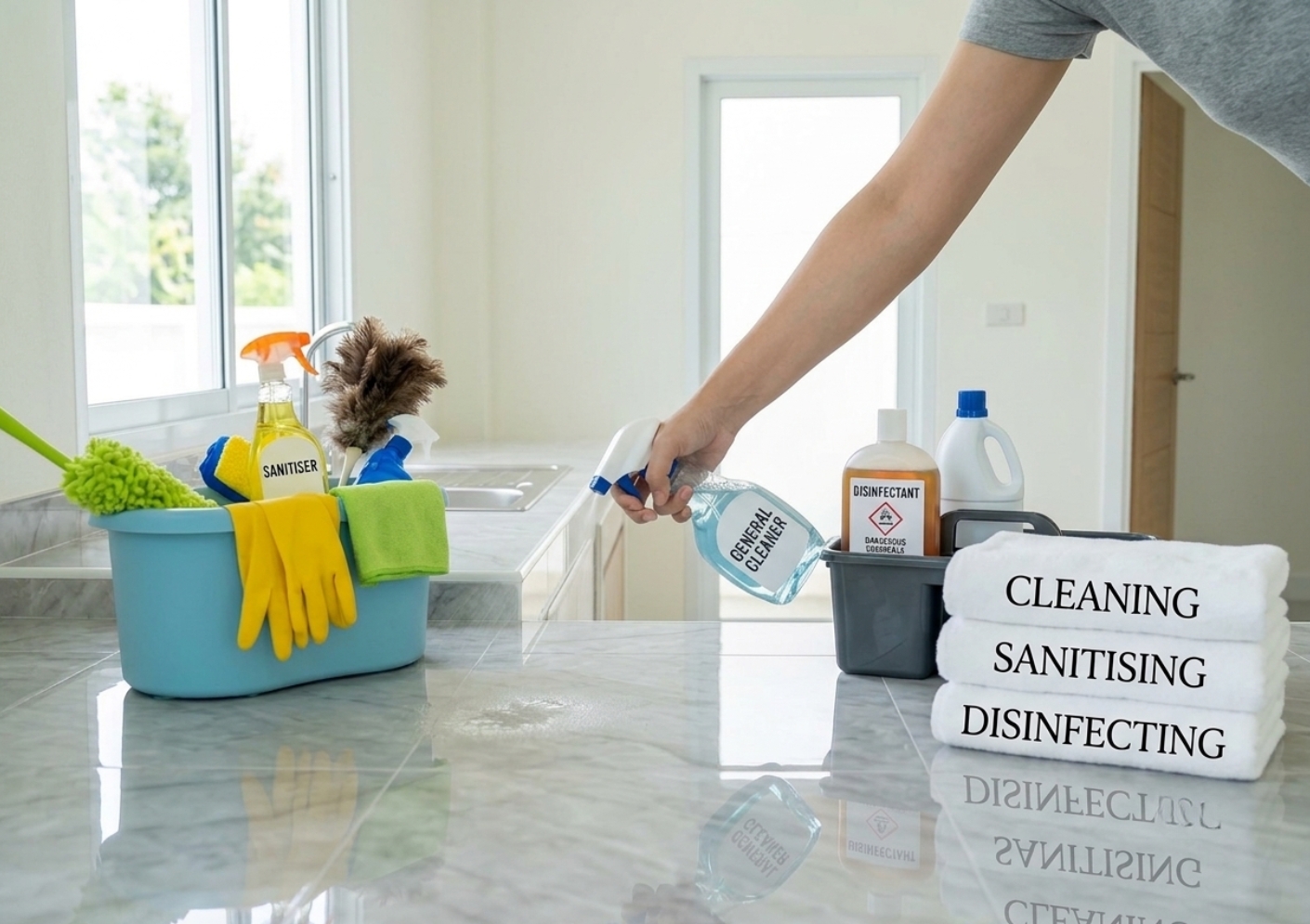
Cleaning, sanitizing, and disinfecting are often treated as the same process, but they serve different purposes. Using the correct method can help you maintain a hygienic home without applying stronger products than necessary.
The right choice depends on the surface, the level of contamination, and whether anyone in the household is unwell.
Start With Cleaning
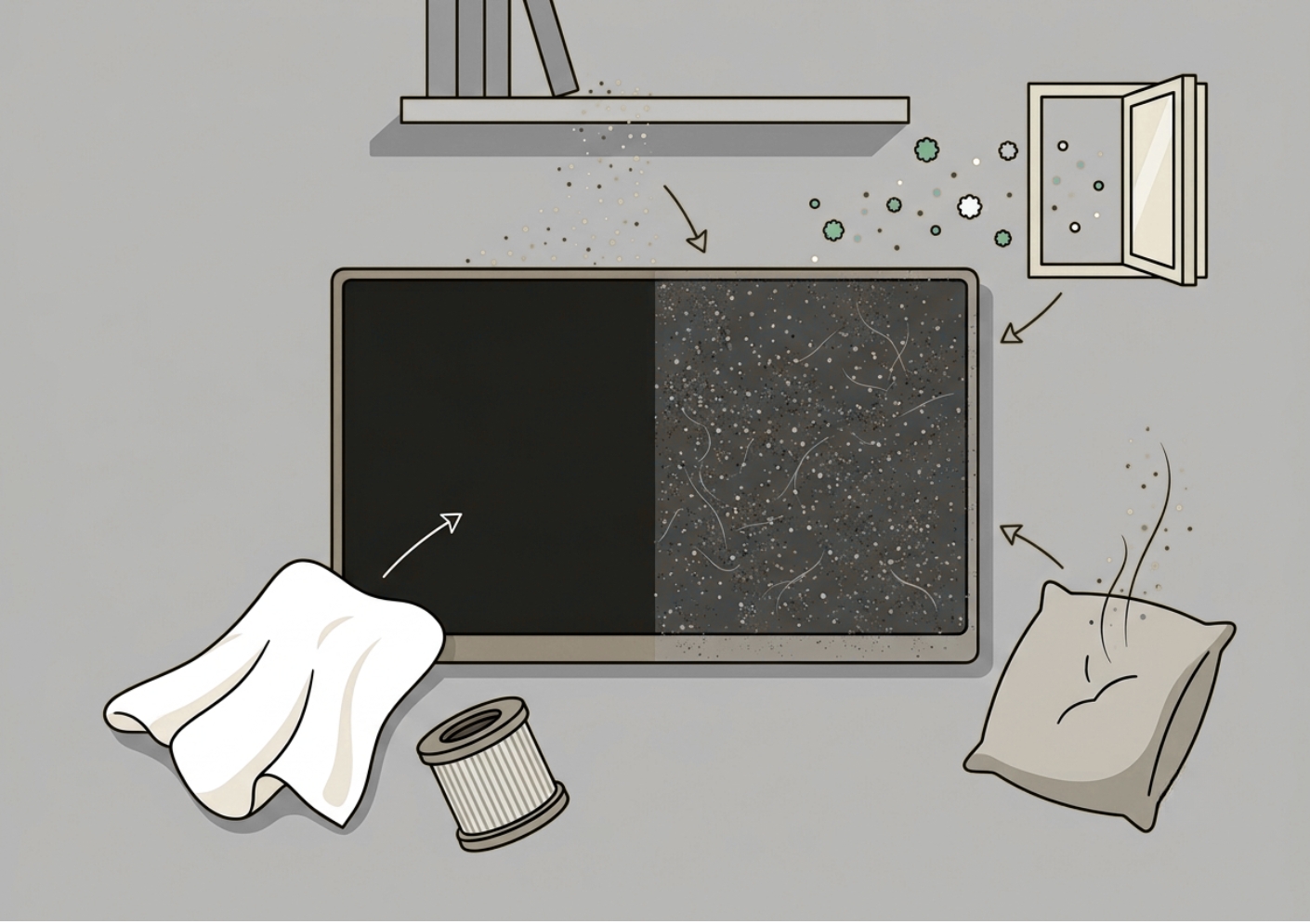
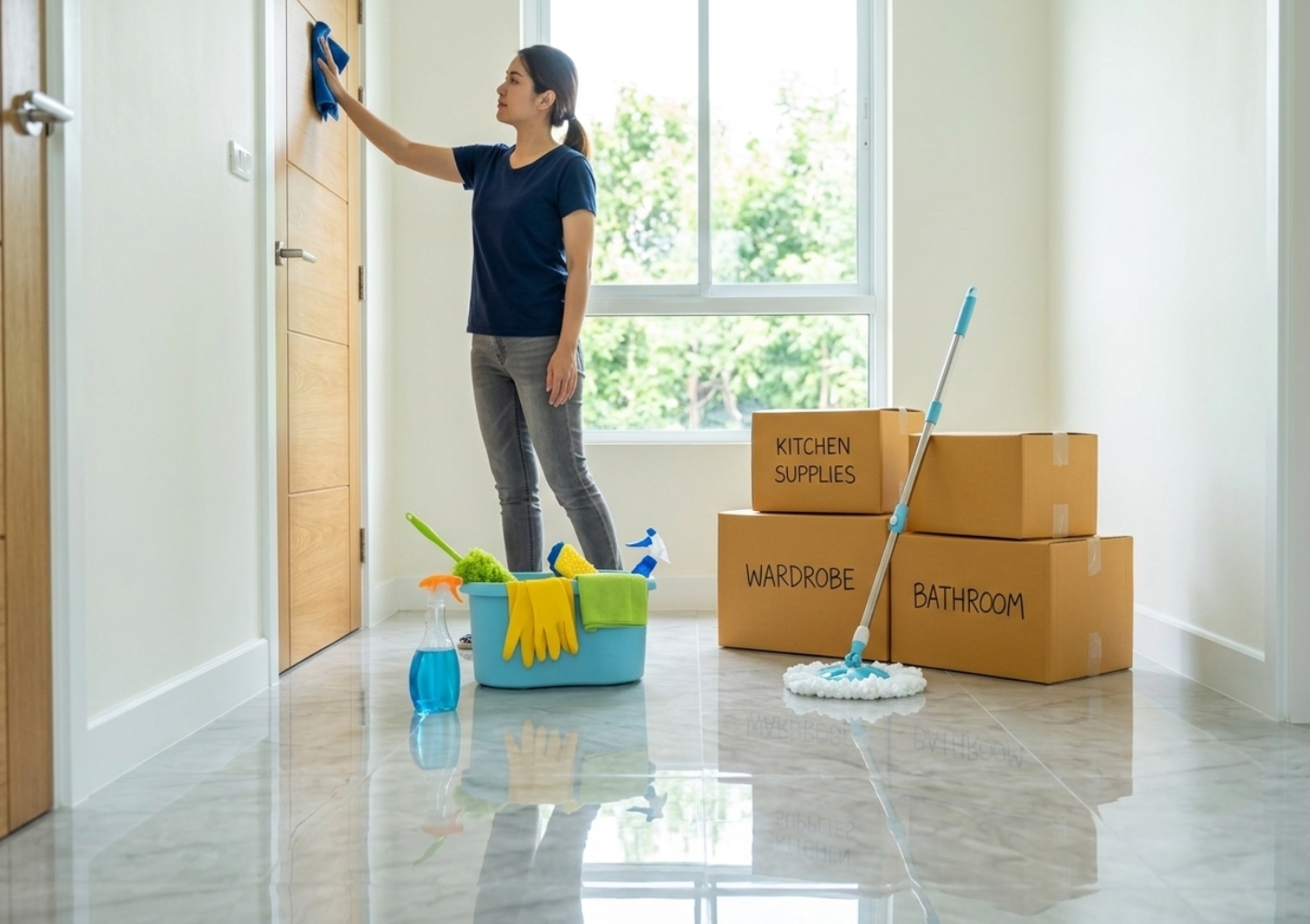
Cleaning removes visible dirt, grease, crumbs, dust, and other residue from a surface. It usually involves water, detergent, or a general cleaning product.
This should normally be the first step because dirt can prevent sanitising or disinfecting products from working effectively.
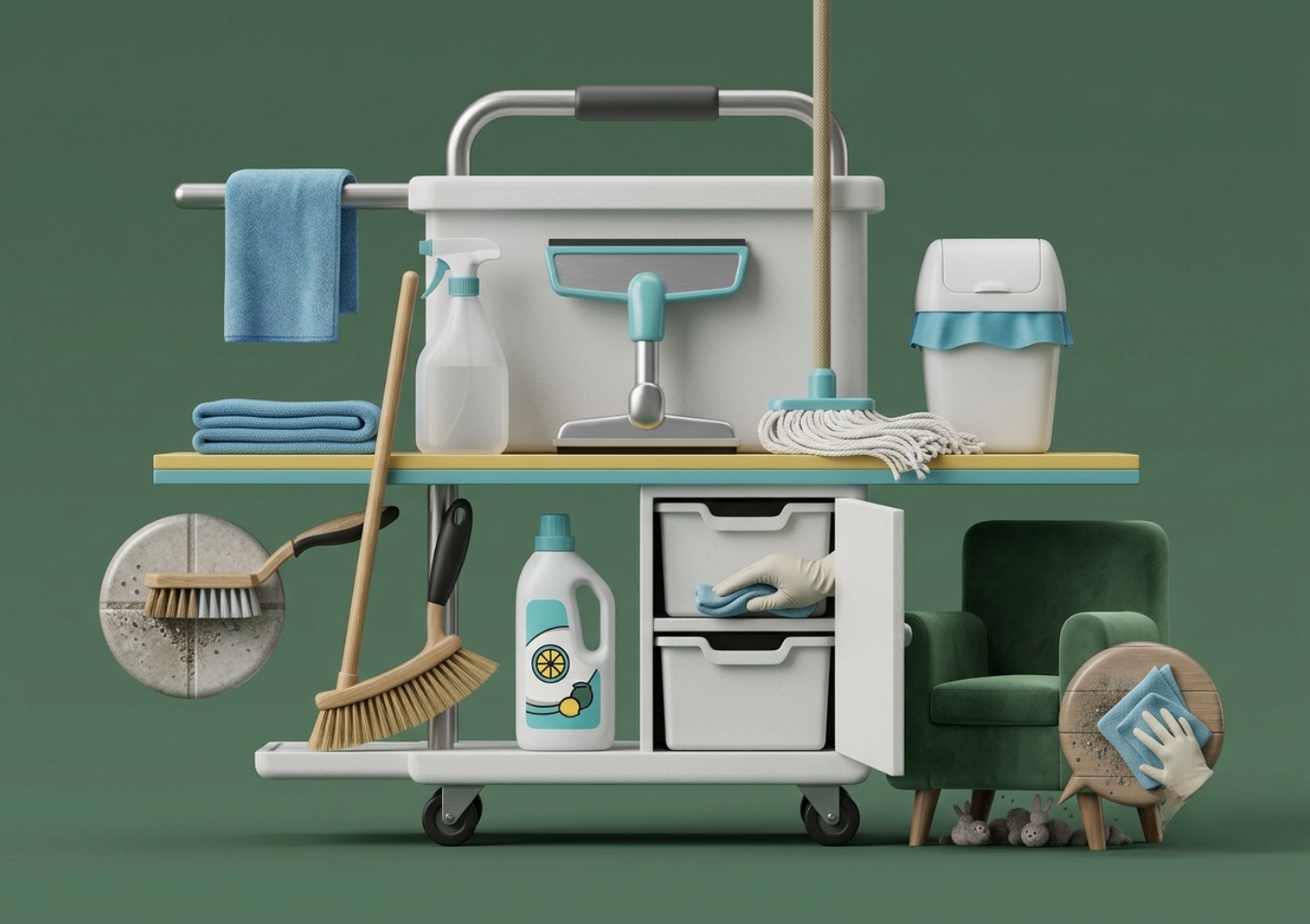
Work from cleaner areas toward dirtier ones, use separate cloths where appropriate, and replace dirty water rather than spreading residue around the room.
Understand Sanitizing
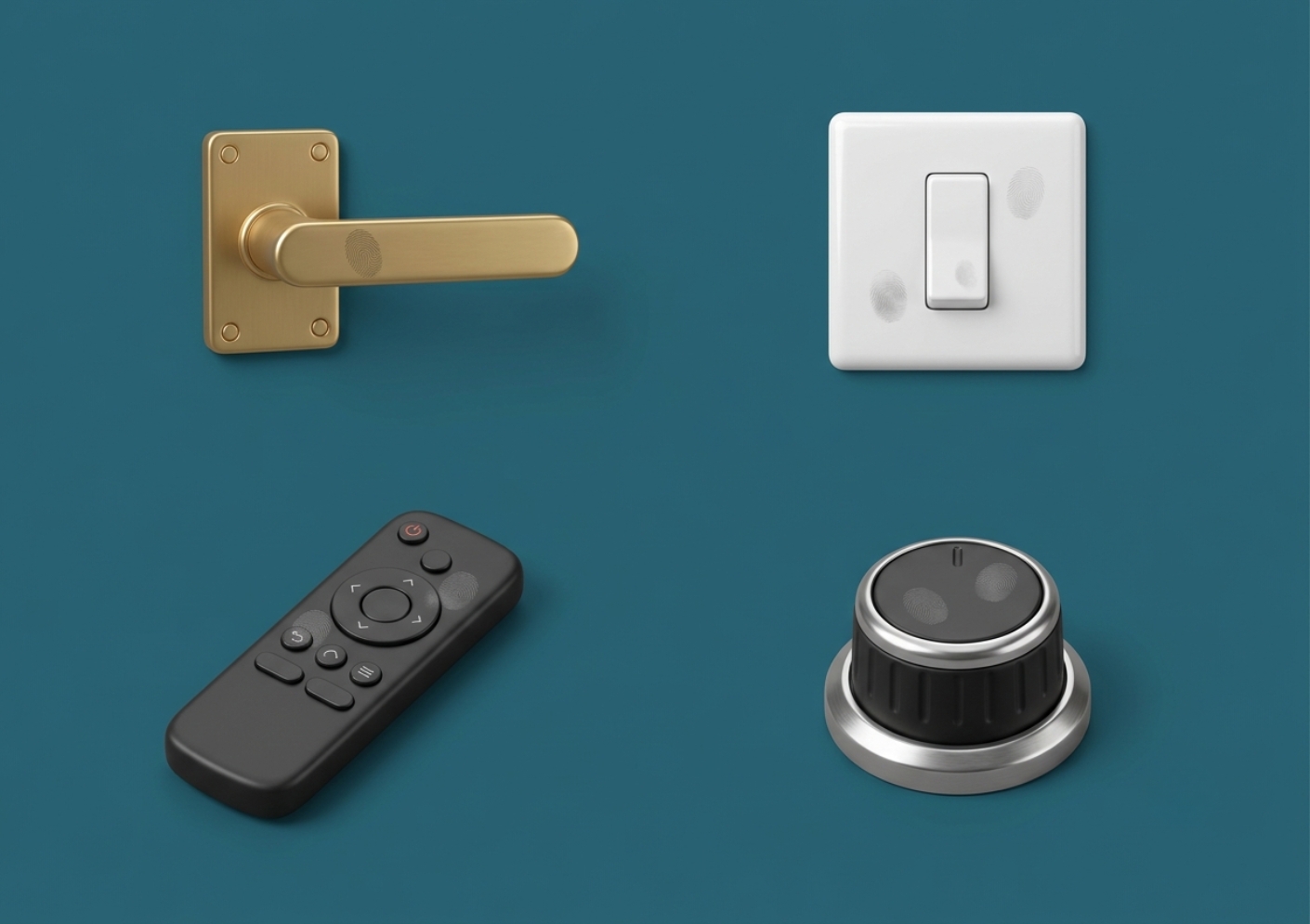
Sanitizing reduces the number of microorganisms on a surface to a safer level. It may be useful in kitchens, food preparation areas, and frequently touched household surfaces.
A sanitizer must be suitable for the surface and used according to its instructions. Some products require a particular contact time before they are wiped away.
Do not assume that a quick spray provides proper sanitization. The product must remain on the surface for the stated period.
Know When to Disinfect
Disinfecting is intended to kill a wider range of microorganisms. It may be appropriate when someone is unwell, after contact with bodily fluids, or where contamination presents a higher risk.
The surface should usually be cleaned first unless the product clearly states otherwise. Apply the disinfectant evenly and allow the required contact time.
Routine disinfection of every surface is not always necessary. Regular cleaning is often sufficient for ordinary household maintenance.
Use Products Safely
Read labels carefully before use. Check whether gloves, ventilation, rinsing, or other precautions are required.
Never mix bleach with acids, ammonia, toilet cleaners, or other household chemicals. Dangerous gases can be produced even when only small amounts are combined.
Keep products in their original containers, store them securely, and keep children and pets away from treated surfaces until they are safe and dry.
Match the Method
Kitchen worktops may require cleaning followed by sanitising, particularly after raw food preparation. Toilets and contaminated bathroom areas may need cleaning and disinfection.
Dusty shelves, floors, and ordinary furniture generally need cleaning rather than routine disinfection. Electronics require special care because excess liquid can cause damage.
Always check whether the chosen product is suitable for wood, stone, metal, fabric, painted surfaces, or food-contact areas.
Keep It Practical
Begin by removing visible dirt, then decide whether an additional hygiene step is genuinely needed. Using more products does not necessarily create a cleaner result.
Follow dilution instructions, respect contact times, and avoid wiping products away too quickly. Use fresh clothes and wash reusable cleaning materials after use.
Understanding these differences helps you clean more effectively while reducing unnecessary chemical exposure. Cleaning handles everyday dirt, sanitizing lowers microorganisms, and disinfecting is reserved for situations requiring a stronger response. This simple distinction prevents wasted time, effort, and products.