

Cooking smells can remain long after a meal has been prepared. Strong spices, fried food, fish, smoke, and burnt ingredients may settle into fabrics and spread beyond the kitchen.
Opening a window may help, but lasting odours usually require attention to their source. Cleaning grease, improving ventilation, and washing affected materials can make the home feel fresher.
Ventilate During Cooking
Use the extractor fan while cooking and leave it running for a short time afterward. Open a nearby window when weather and security conditions allow.
Keep internal doors closed if you want to stop smells travelling into bedrooms or living areas. However, avoid creating poor airflow around gas appliances.
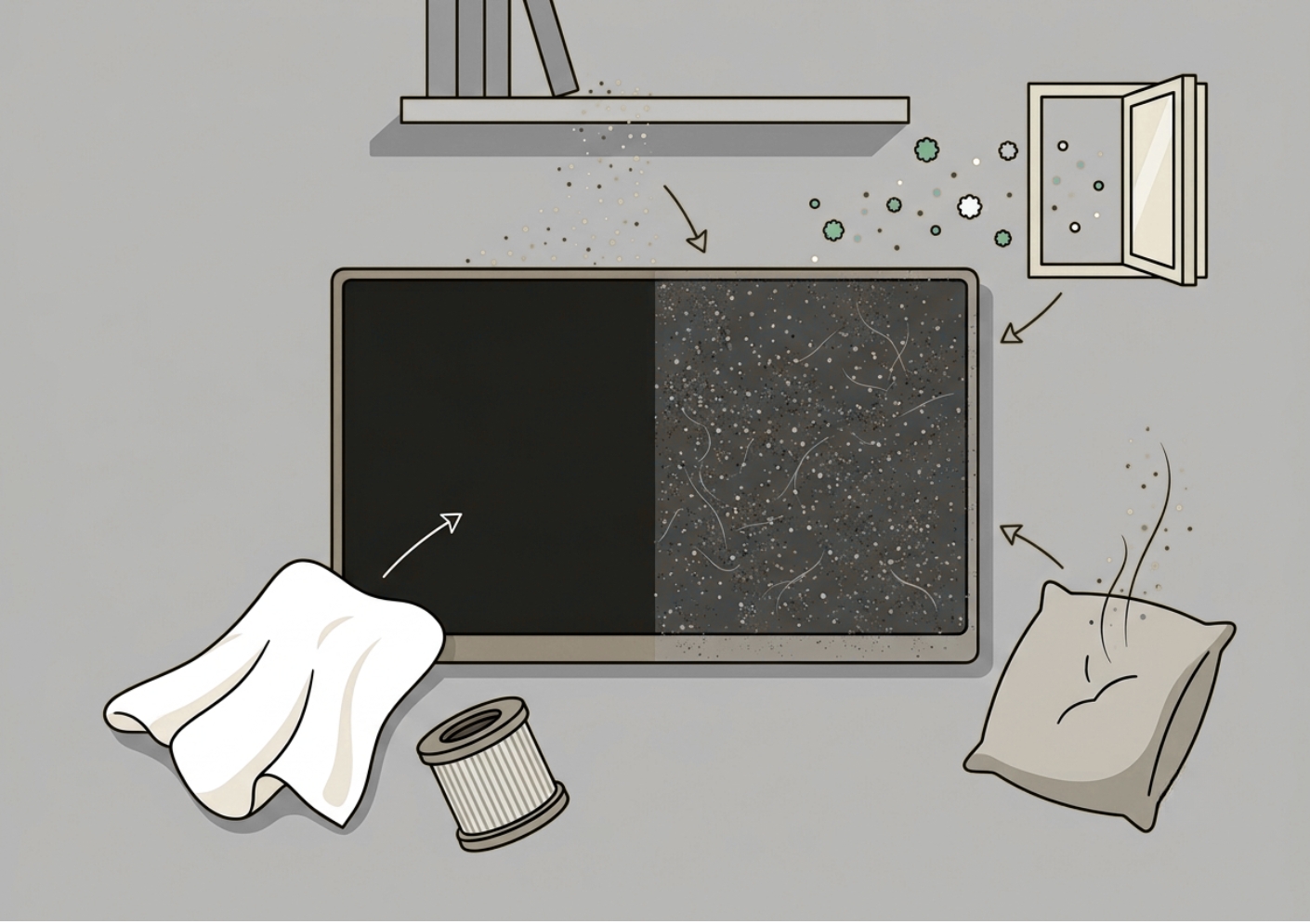
Extractor filters should be cleaned or replaced according to the manufacturer’s instructions. A grease-covered filter will be less effective and may hold unpleasant odours.
Clean Grease Promptly
Cooking vapour can leave a thin layer of grease on hobs, splashbacks, cupboards, worktops, walls, and appliance surfaces. This residue can continue releasing smells even when the room looks clean.
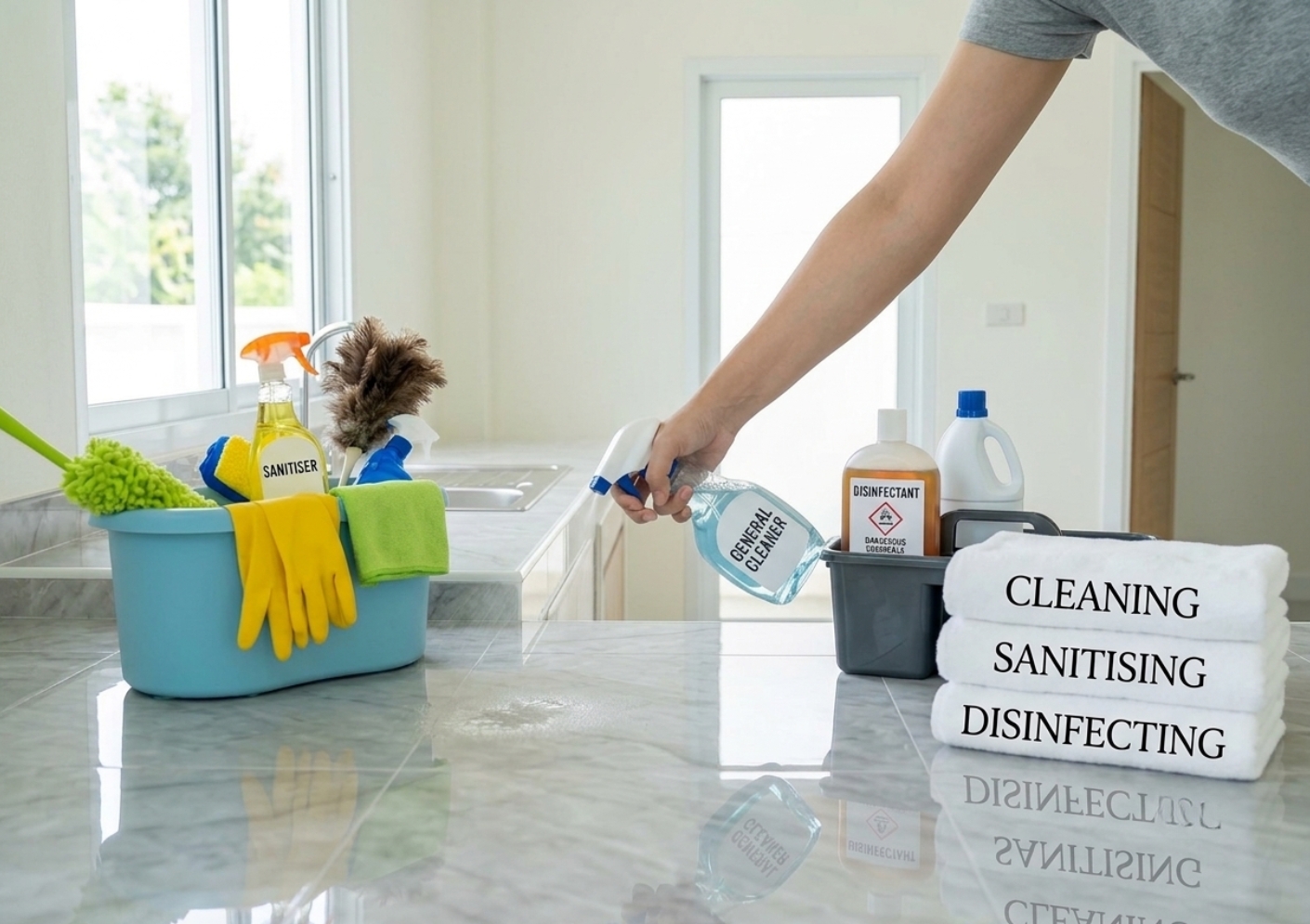
Wipe fresh splashes once the area is cool. Use a product suitable for the surface and follow its safety instructions.
Pay attention to cupboard handles, extractor hoods, oven controls, and the spaces beside appliances, where sticky residue often collects.
Wash Soft Materials
Curtains, rugs, cushions, tablecloths, and upholstered furniture can absorb cooking smells. Wash removable items according to their care labels and vacuum fabrics.
Do not apply water or deodorising products to upholstery without checking the cleaning instructions. Some materials may stain, shrink, or develop water marks.
Kitchen towels, aprons, oven gloves, and reusable cloths should also be washed regularly because they can hold grease and food odours.
Check Bins and Drains
Food waste can make cooking smells seem stronger. Empty bins regularly, wash the container, and clean the lid and surrounding floor.
Check recycling for unwashed packaging, tins, or containers. Rinse suitable items before storing them indoors.
Remove food debris from sink strainers and clean the plughole using a safe method. Do not mix drain products, bleach, acids, or other chemicals.
Clean Hidden Sources
Look inside the oven, microwave, refrigerator, toaster tray, air fryer, and cupboards used for spices or oils. Small spills and crumbs may continue producing odours.
Check behind freestanding appliances if it is safe to move them. Food may have fallen into gaps without being noticed.
Replace heavily soiled extractor filters and clean reusable ones only as directed by the manufacturer.
Keep the Air Fresh
Once the source has been removed, ventilate the room again. Avoid relying on candles, sprays, or strong fragrances, as these may only cover the smell.
A bowl of bicarbonate of soda may help absorb mild odours in suitable areas, but it should be kept away from children and pets.
The most effective approach is to clean grease, fabrics, waste areas, and appliances regularly. When smells continue despite thorough cleaning, check for hidden food, blocked ventilation, damp, or an appliance fault that may require professional attention.