
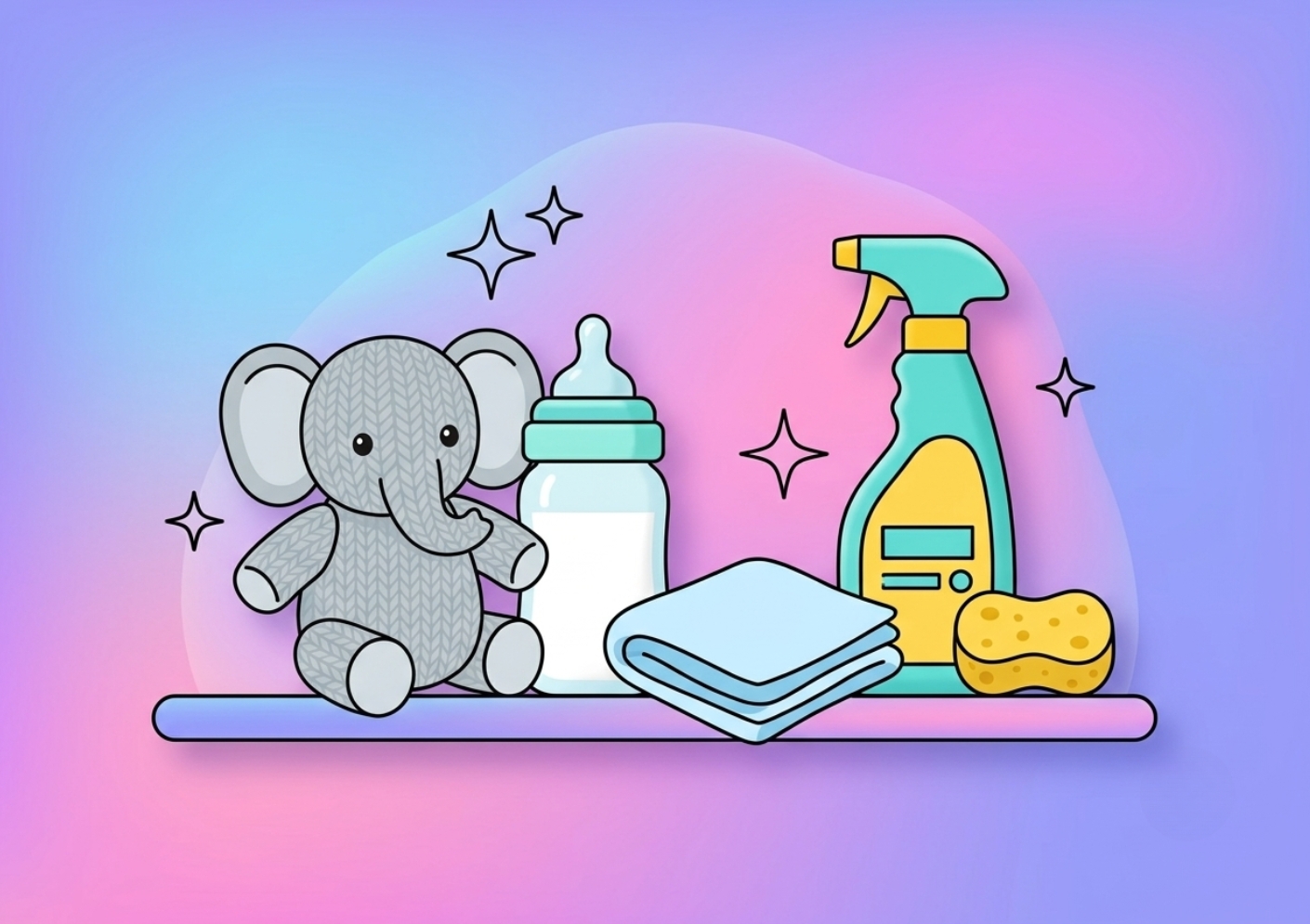
Babies and young children spend a great deal of time close to floors, furniture, toys, and other frequently touched surfaces. This makes regular cleaning important, but it also means products and methods must be chosen carefully.
The aim is to remove everyday dirt while reducing unnecessary exposure to strong chemicals, fragrances, and wet surfaces.
Focus on Floors
Young children often crawl, sit, and play on the floor. Vacuum carpets and rugs regularly to remove crumbs, dust, hair, and small objects.
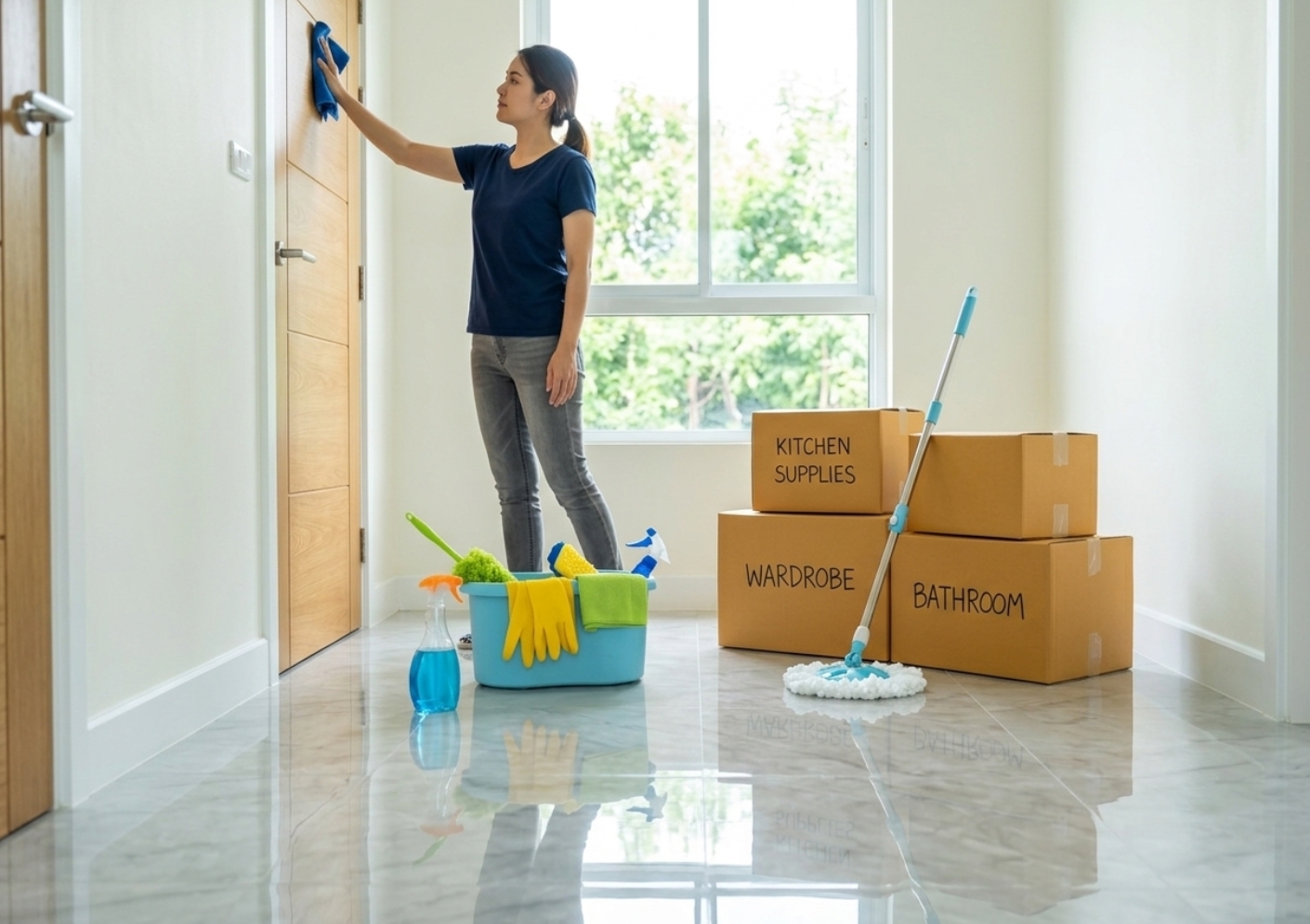
Mop hard floors using a product suitable for the surface and follow the dilution instructions. Keep children away until the area is fully dry.
Pay attention beneath highchairs, around play areas, and near entrances where outdoor dirt may collect.
Clean Toys Safely
Toys are frequently handled and may be placed in a child’s mouth. Follow the manufacturer’s cleaning instructions, particularly for electronic, wooden, fabric, or battery-operated toys.
Wash suitable plastic toys with warm water and an appropriate cleaner, then rinse and dry them properly when required.
Do not soak toys that contain batteries, speakers, or internal parts. Check regularly for cracks, loose pieces, or trapped moisture.
Wipe Feeding Areas
Highchair trays, bottle-preparation surfaces, tables, and reusable feeding equipment should be cleaned after use.
Remove food residue before it dries, and wash items according to their care instructions. Use separate clothes for feeding areas and general household cleaning.
Also wipe chair legs, straps, nearby walls, and the floor, as splashes and crumbs often spread beyond the tray.
Choose Products Carefully
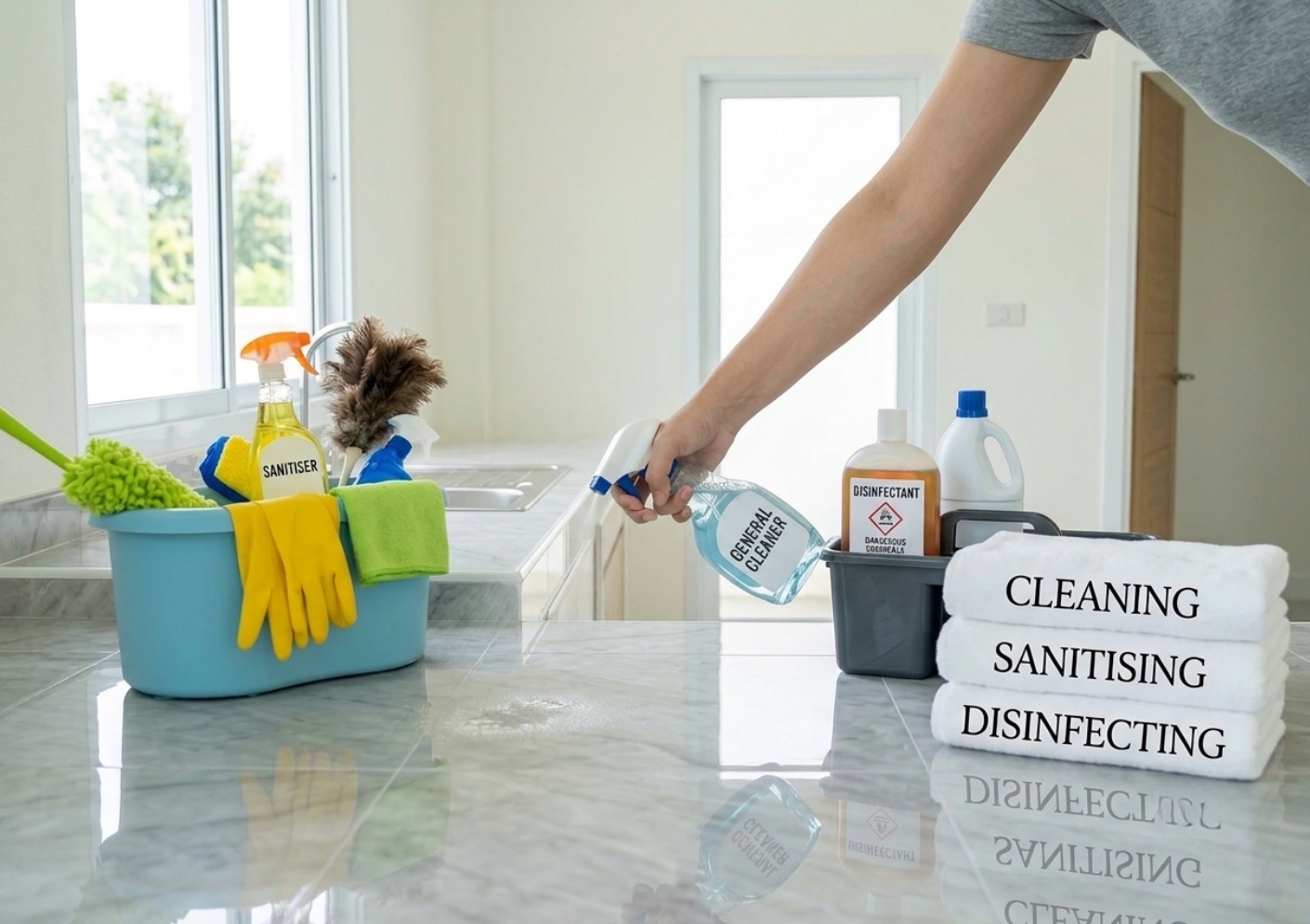
Read labels before using any cleaning product around children. Check whether rinsing, ventilation, gloves, or a specific contact time is required.
Avoid transferring products into unlabelled bottles. Store them in their original containers, securely locked away and out of sight.
Never mix cleaning chemicals, and do not leave buckets, sprays, capsules, or used cloths within reach.
Manage Bedrooms and Bedding
Wash bedding, blankets, and washable covers according to their care labels. Vacuum mattresses and upholstered furniture using suitable attachments.
Reduce dust by keeping surfaces reasonably clear and washing soft toys when permitted. Avoid placing heavily fragranced products close to sleeping areas.
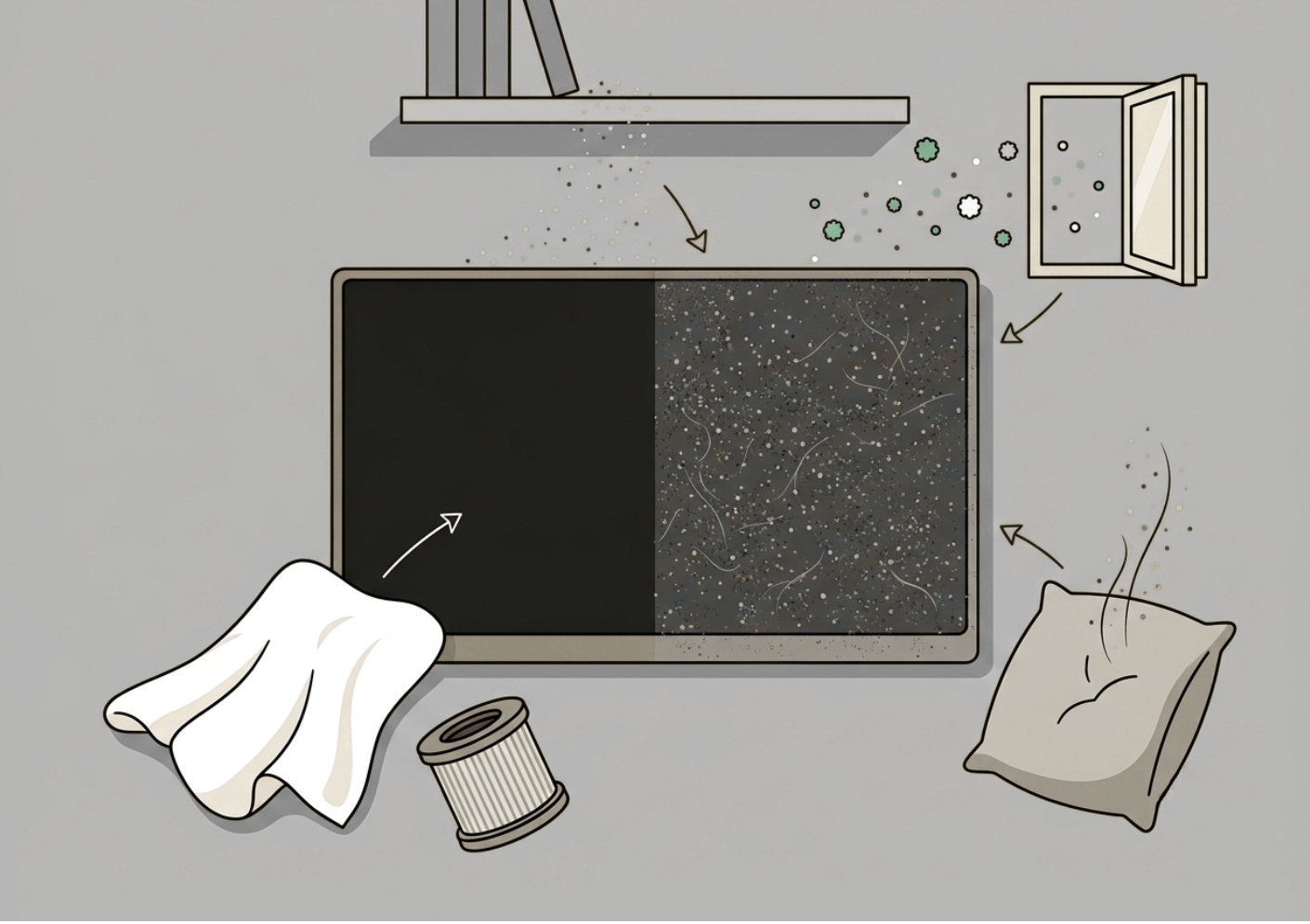
Check for damp, mould, or poor ventilation, particularly around windows and behind furniture. Persistent problems may require professional assessment.
Keep a Simple Routine
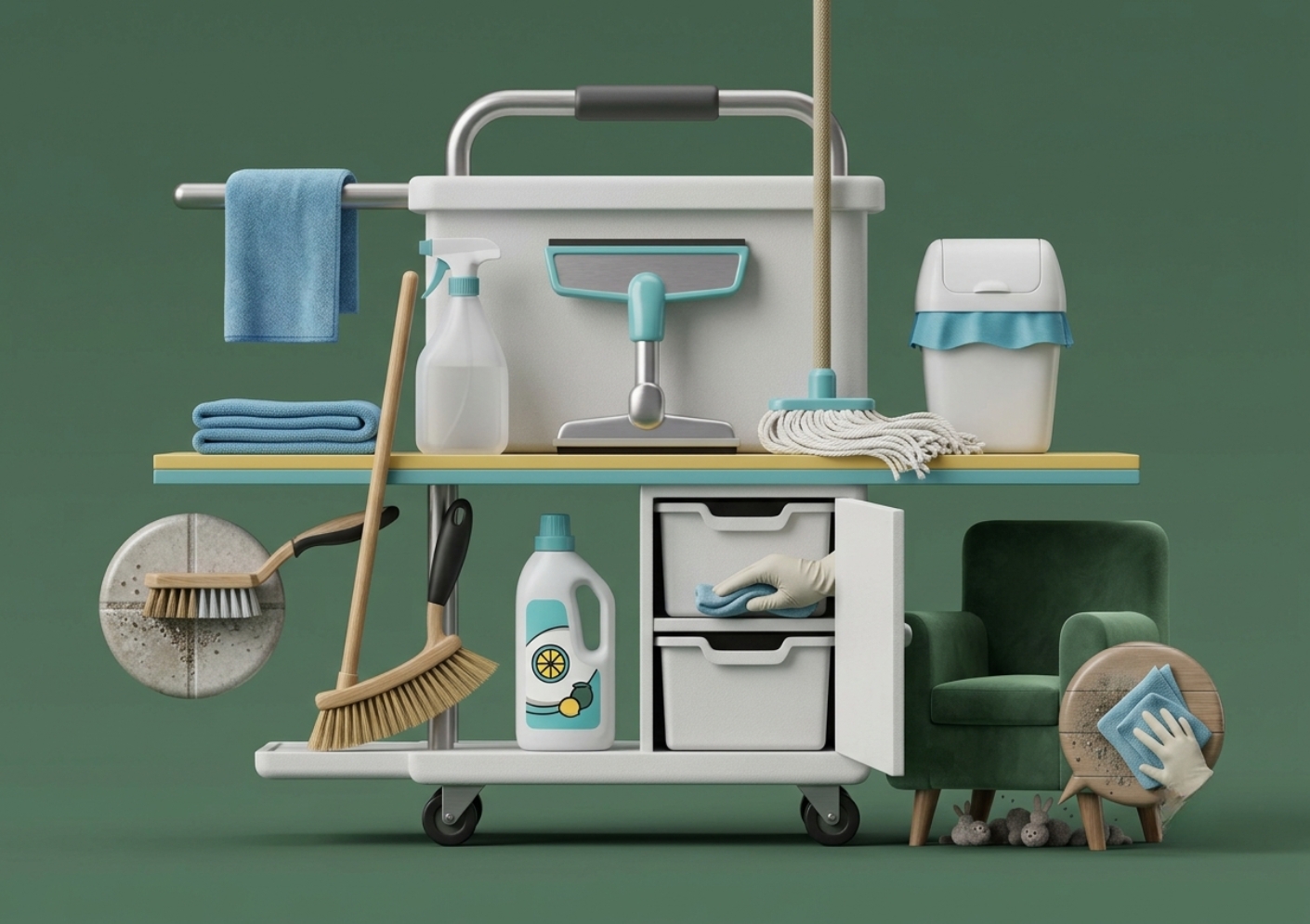
Clean visible spills and food residue promptly, then rotate less urgent tasks through the week. You do not need to disinfect every surface constantly.
Give extra attention to changing areas, bathroom fittings, door handles, play mats, and objects handled by several people.
Wash your hands before preparing bottles or food and after dealing with nappies, waste, or cleaning products.
A careful routine should be practical rather than excessive. Regular cleaning, safe storage, correct product use, and proper drying will usually provide a suitable home environment.
When a child has allergies, breathing difficulties, sensitive skin, or another medical condition, follow advice from an appropriate healthcare professional before changing products or cleaning methods. Their individual needs should guide decisions.