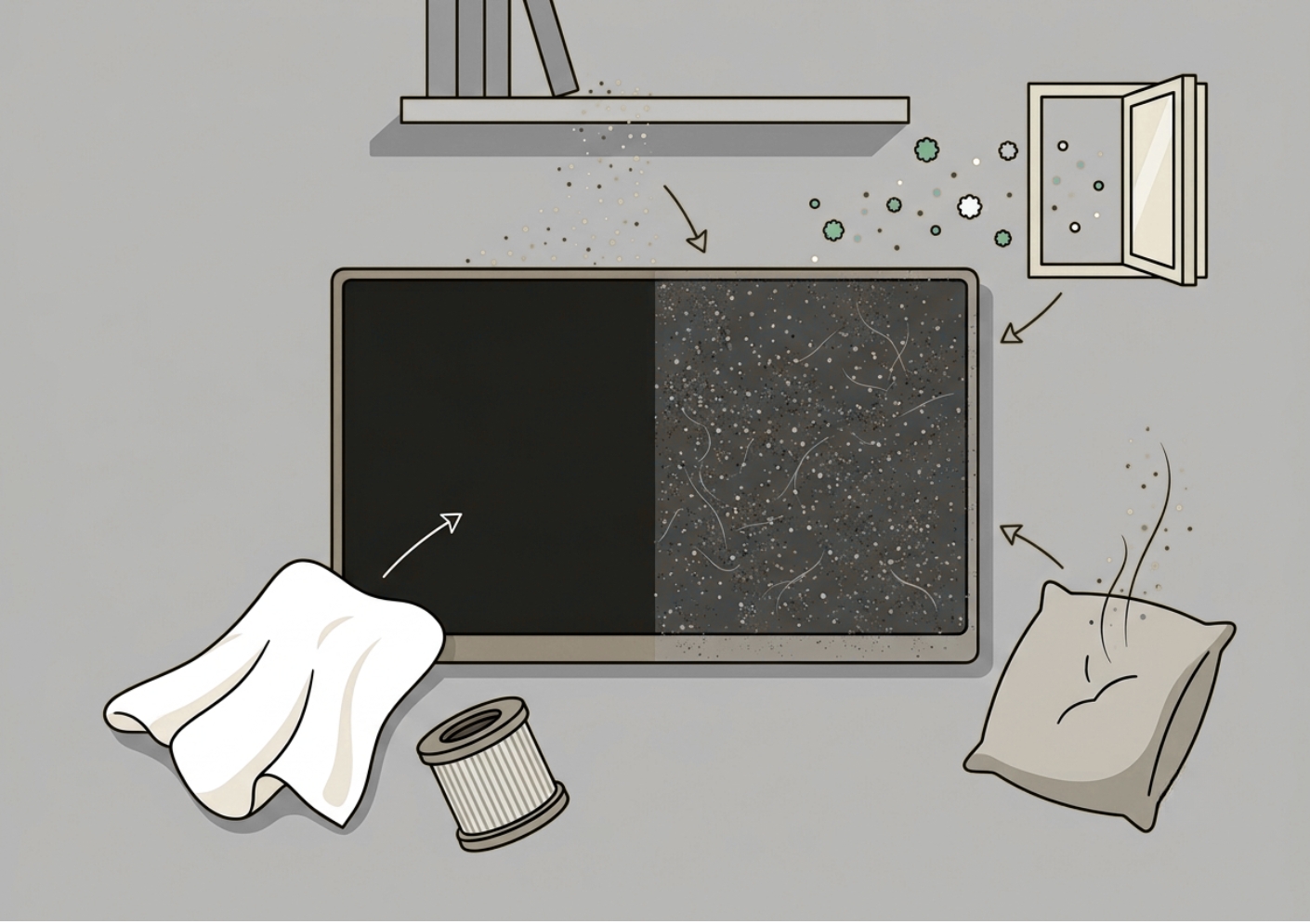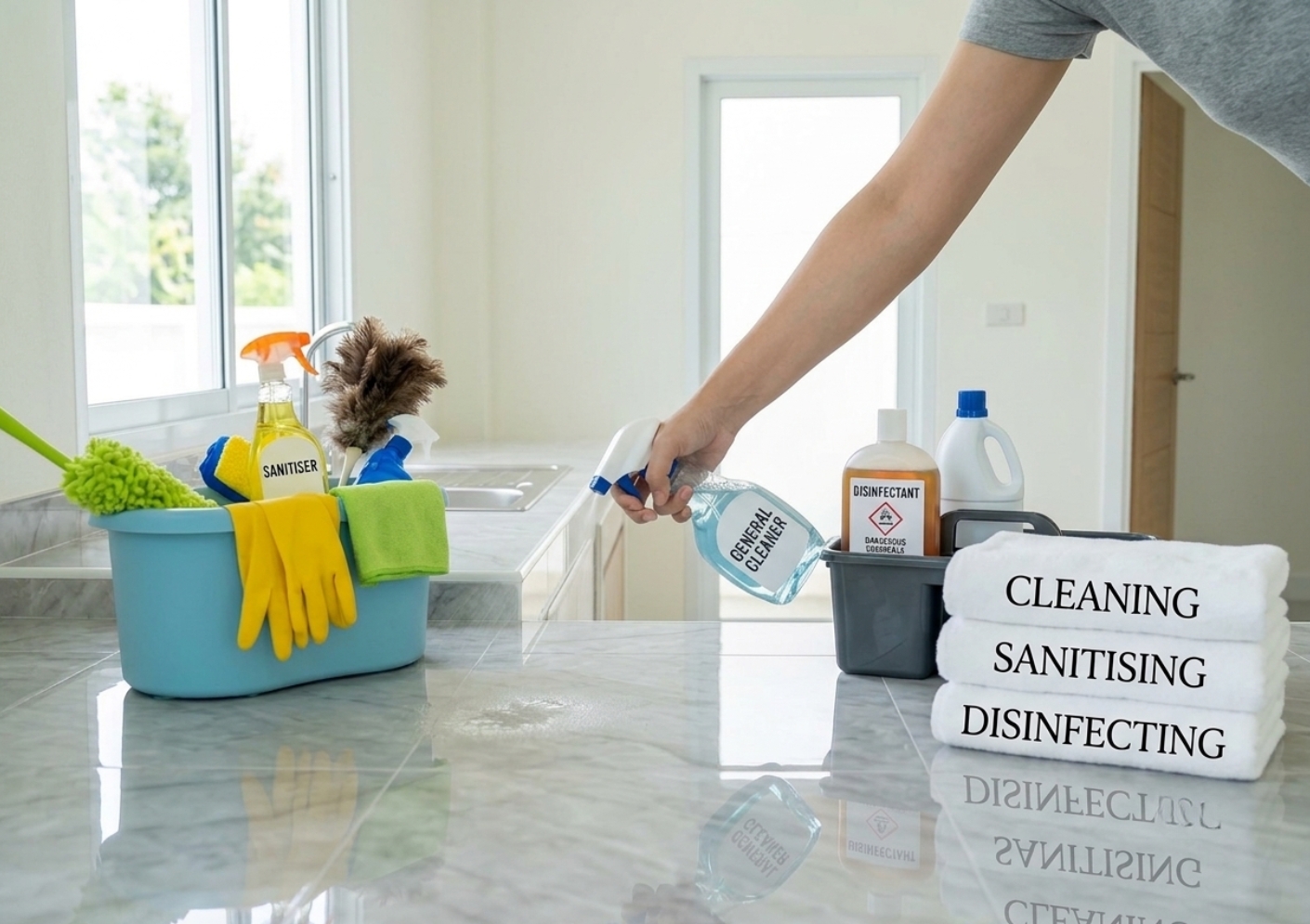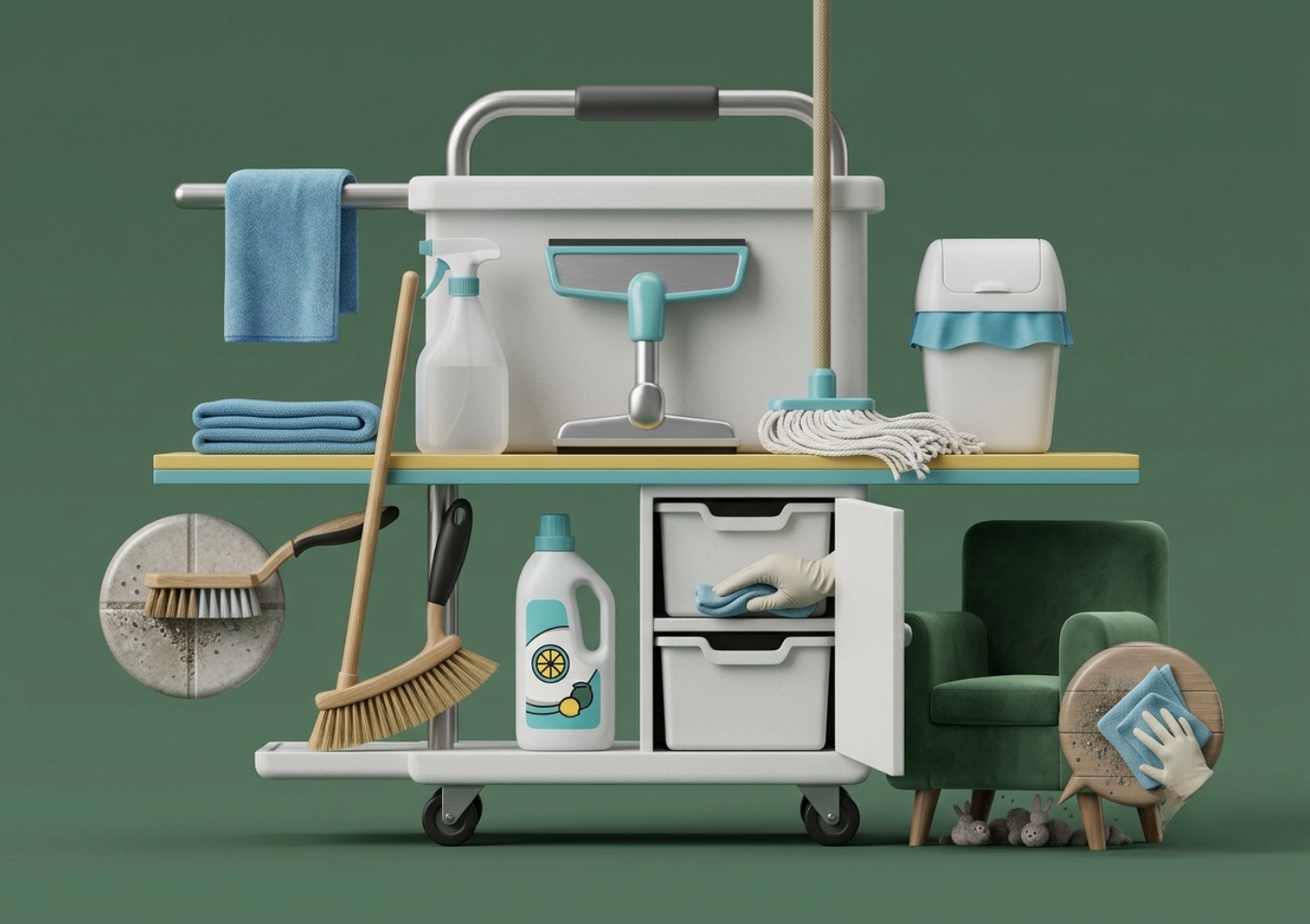
A cleaning method that works well on one surface may damage another. Strong chemicals, excess water, rough sponges, and unsuitable tools can leave scratches, stains, dull patches, or permanent discolouration.
Before cleaning, identify the material and check any care instructions. Testing the product on a small hidden area can prevent a much larger problem.
Protect Wood Surfaces
Wood can swell, warp, or lose its finish when too much water is used. Wipe dust with a soft cloth and use only a small amount of suitable cleaner.
Dry the surface promptly and avoid leaving wet items in place. Unsealed wood may require different care from painted, varnished, laminated, or oiled finishes.
Do not use abrasive pads unless the manufacturer specifically recommends them.
Treat Stone Carefully
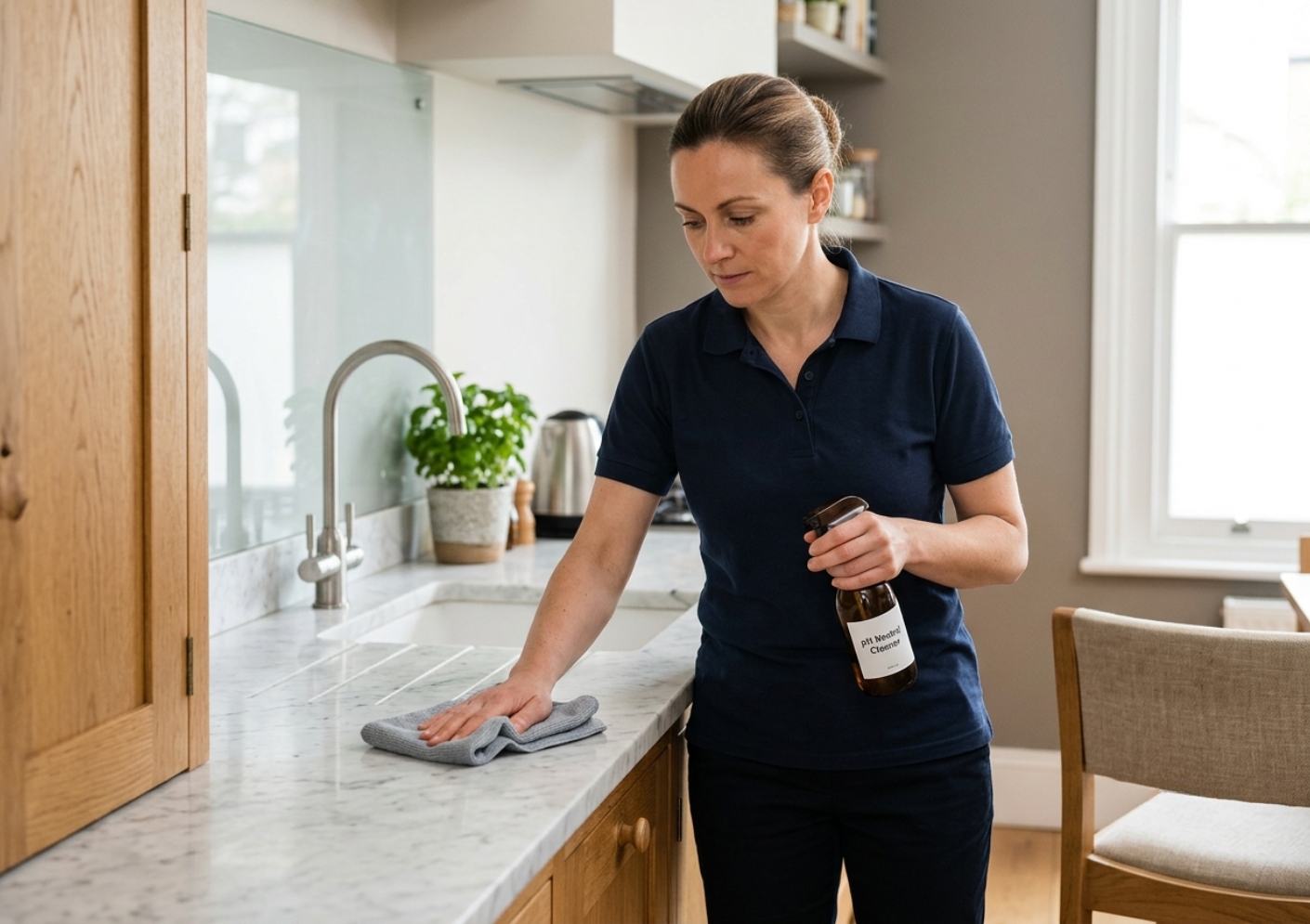
Marble, limestone, granite, and other natural stones can react differently to household products. Acidic cleaners, including vinegar and some limescale removers, may mark or etch certain stones.
Use a cleaner approved for the particular material and wipe spills quickly. Test unfamiliar products in an inconspicuous area.
Stone worktops may also require periodic sealing, depending on their type and condition.
Avoid Scratching Metal
Stainless steel, chrome, brass, and coated metal fittings can scratch or discolour when cleaned with rough tools or unsuitable chemicals.
Use a soft cloth and wipe stainless steel in the direction of its grain where visible. Dry taps and fittings to reduce water marks.
Check product labels carefully because a cleaner designed for one metal may not be safe for another.
Clean Glass Properly
Glass usually responds well to a soft microfibre cloth or squeegee, but treated, tinted, frosted, or coated glass may need special care.
Avoid scraping marks with blades unless the manufacturer confirms that it is safe. Small particles trapped beneath a cloth can also cause scratches.
Do not apply excessive liquid around frames, seals, electrical fittings, or nearby wooden surfaces.
Consider Painted Walls
Painted walls may lose colour or develop shiny patches when rubbed too firmly. Begin with gentle dusting, then use a lightly damp cloth if the finish allows it.
Test washable paint in a hidden place before cleaning a visible mark. Matte and delicate finishes may be particularly sensitive.
Avoid soaking the wall, as water may damage paint, plaster, or wallpaper edges.
Check Fabrics and Upholstery
Sofas, curtains, rugs, and cushions may require dry cleaning, professional treatment, or a specific water-based method.
Read the care label and avoid applying stain remover across a large area without testing it first. Excess moisture can cause water marks, shrinkage, colour transfer, or slow drying.
Vacuum fabrics regularly with suitable attachments to reduce the need for stronger cleaning.
The safest approach is to begin gently and increase the level of cleaning only when necessary. Use suitable products, clean tools, limited moisture, and light pressure.
When the surface is valuable, delicate, damaged, or difficult to identify, professional advice may be safer than experimenting. Careful cleaning protects the material while still removing everyday dirt effectively and safely.