Few things are more frustrating than seeing dust return only days after cleaning. Shelves, televisions, tables, and windowsills may appear clear at first, but a fine layer can quickly settle again.
Dust cannot be removed permanently because it is continuously produced inside the home and carried in from outside. However, understanding where it comes from can help you control it more effectively.
Understand Where Dust Comes From
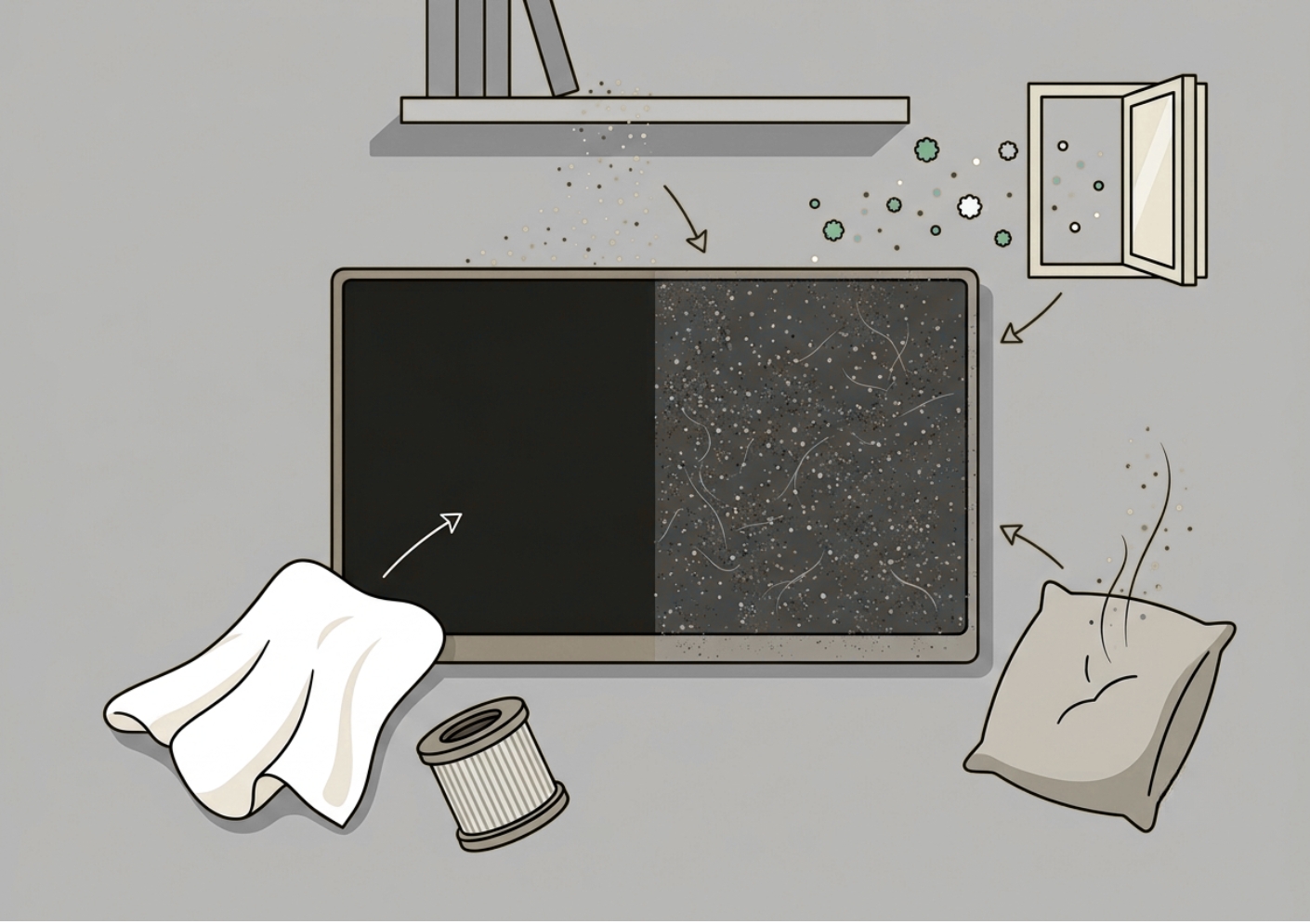
Household dust contains fabric fibres, skin cells, hair, soil, pollen, and other tiny particles. It enters through open doors, windows, shoes, clothing, bags, and ventilation systems.
It is also created inside the home whenever carpets, bedding, curtains, cushions, and upholstered furniture are used. Pets can add hair, dander, dried soil, and outdoor particles.
This is why dust may return even when a room was cleaned thoroughly a few days earlier.
Clean From Top to Bottom
The order in which you clean can affect how quickly surfaces appear dusty again. Begin with higher areas such as shelves, picture frames, lamps, door tops, and tall furniture.
Particles that fall can then be collected when lower surfaces and floors are cleaned. If you vacuum first and dust afterward, some particles may settle back onto the floor.
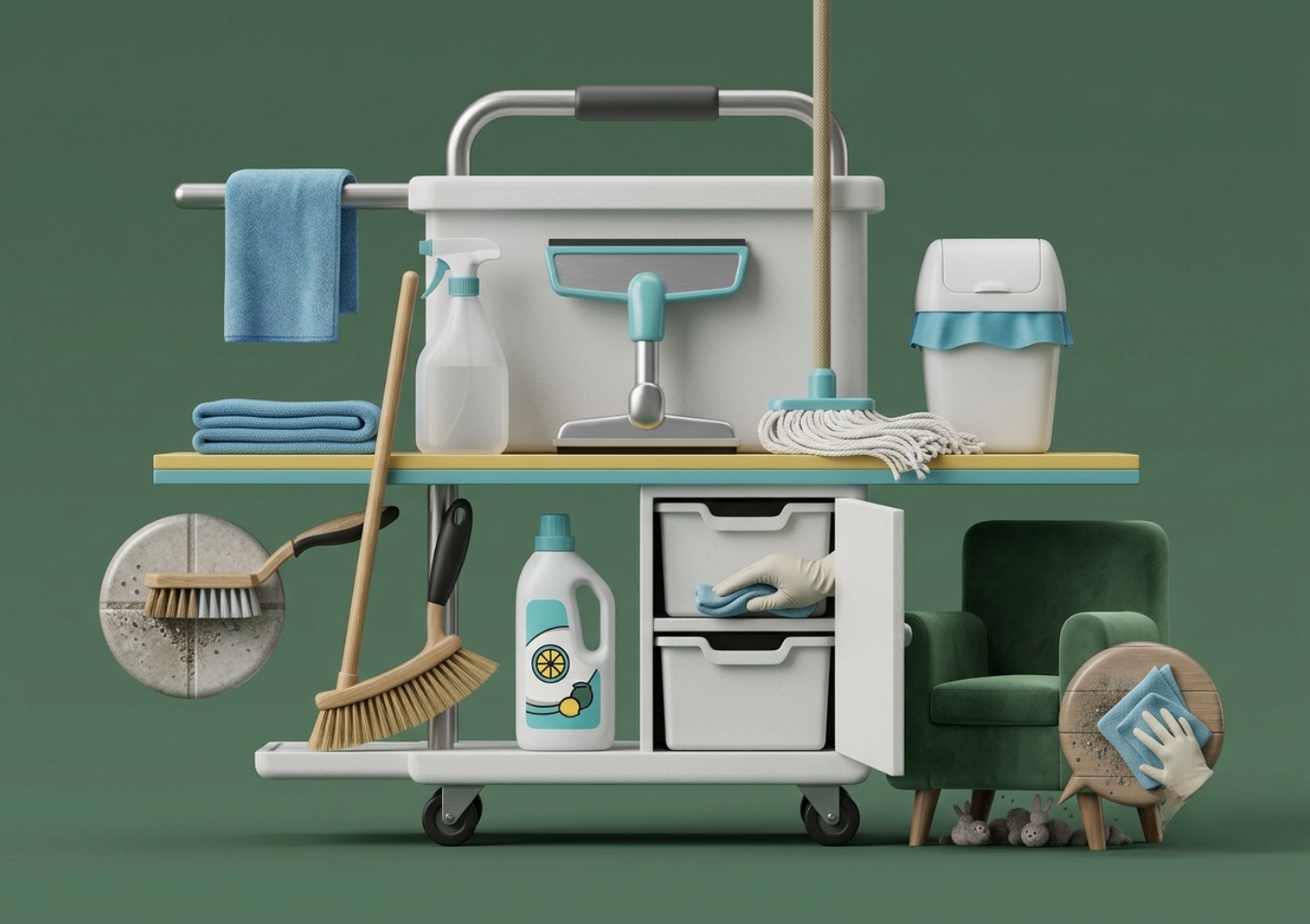
Use a clean microfibre cloth rather than a dry feather duster. Microfibre is more likely to trap dust instead of moving it into the air.
Wash Household Fabrics
Bedding, blankets, curtains, cushions, rugs, and soft furniture can hold large amounts of dust. Movement causes some of these particles to become airborne and settle elsewhere.
Wash bedding regularly and vacuum mattresses, sofas, fabric chairs, rugs, and carpets using suitable attachments. Follow the manufacturer’s instructions before washing curtains or removable covers.
Pet bedding should also be cleaned frequently, particularly when animals shed heavily or spend time outdoors.
Reduce Cluttered Surfaces
Open shelves filled with ornaments, paperwork, and small objects create more places for dust to collect. They also make routine cleaning slower because every item must be moved.
Store unnecessary objects in cupboards, drawers, or closed containers where possible. Keep floors clear and deal with clothing, packaging, and paperwork before they spread across several rooms.
This will not stop dust completely, but it will make removal faster and more effective.
Maintain Filters and Airflow
Vacuum-cleaner filters, extractor fans, vents, and reusable air filters should be cleaned or replaced according to their instructions. A poorly maintained vacuum may release fine particles back into the room.
Open windows when outdoor conditions are suitable, although pollen and traffic pollution may enter at certain times. Doormats and a no-shoes rule can also reduce soil entering the home.
Pay particular attention to bedrooms, stairs, living areas, and pet spaces because these often collect dust quickly.
A regular routine works better than occasional heavy dusting. By cleaning in the correct order, washing fabrics, controlling clutter, and maintaining filters, you can slow the return of dust and keep your home feeling fresher for longer.