Keeping a home in good condition is easier when you understand the purpose of each cleaning task.
Cleaning for Allergy Season: Reducing Dust, Pollen and Pet Dander Indoors is a common concern, particularly when time is limited or several areas need attention.
Fortunately, a practical approach can make the work safer, clearer, and more manageable.
Limit What Enters the Home
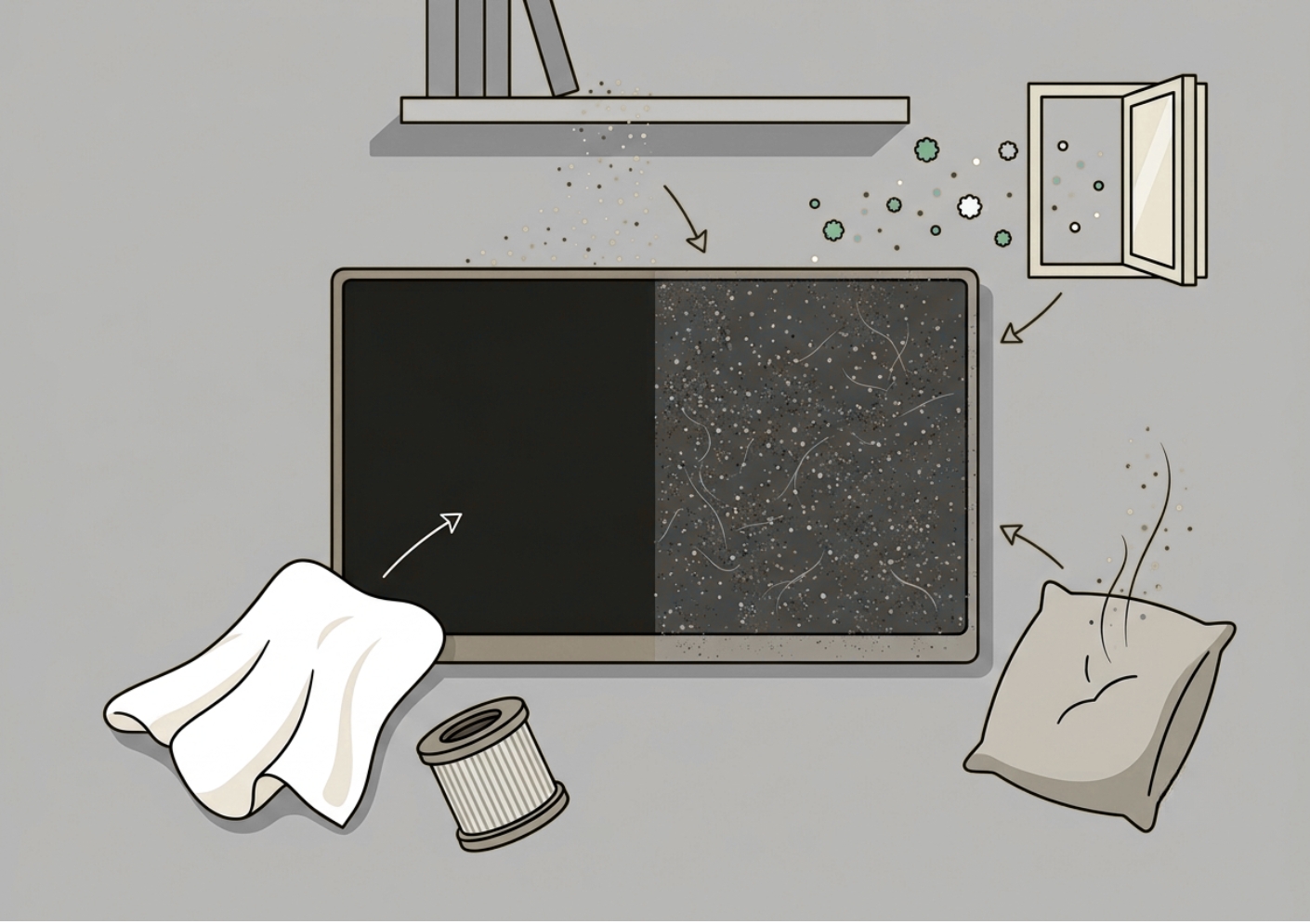
Pollen and outdoor particles travel inside on shoes, clothing, hair, pets, and open windows. Remove shoes at the entrance, change outdoor clothing when pollen levels are high, and wipe pets after walks where appropriate.
Dry laundry indoors during severe pollen periods if outdoor drying makes symptoms worse, while maintaining safe ventilation.
Clean Without Spreading Particles
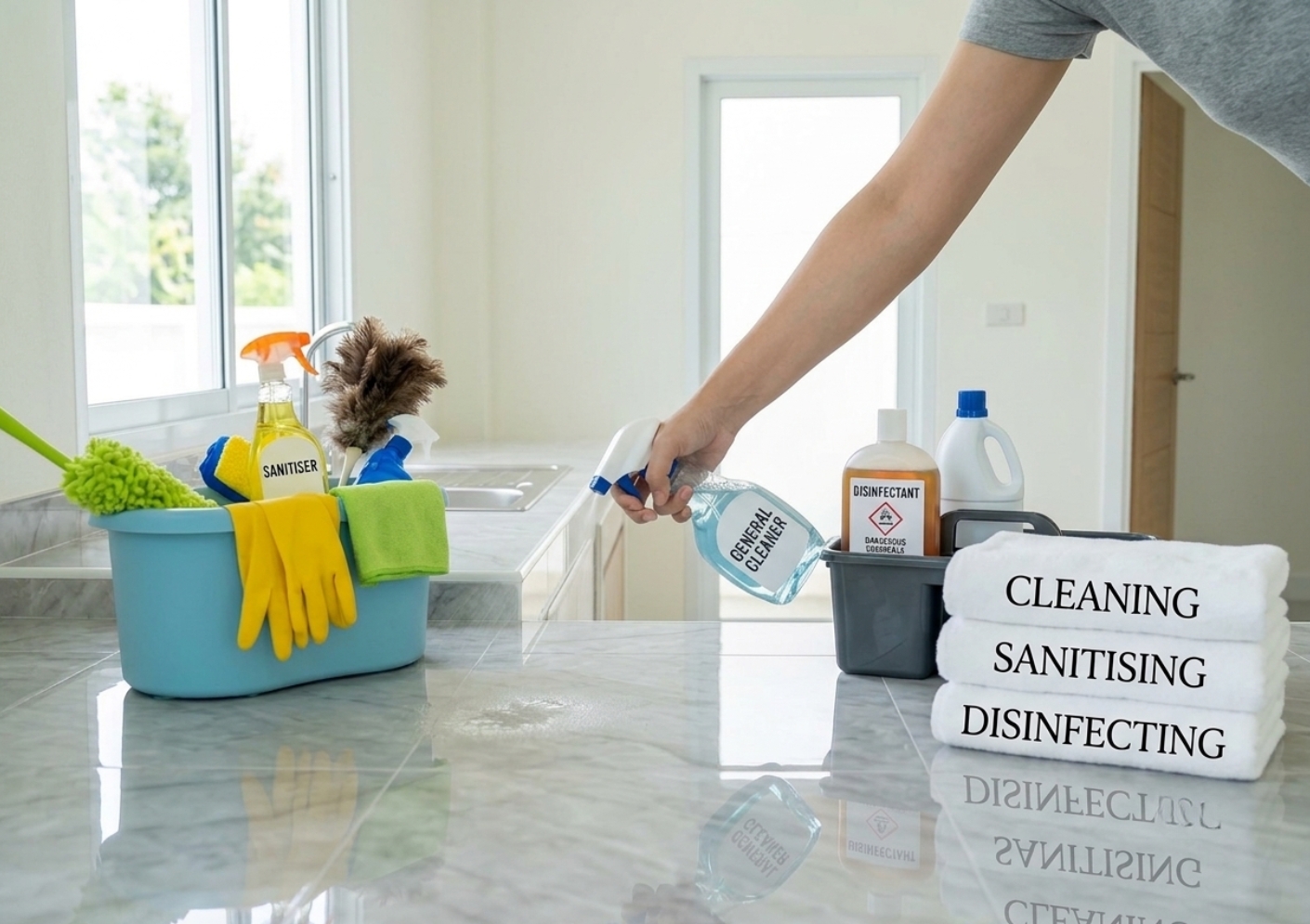
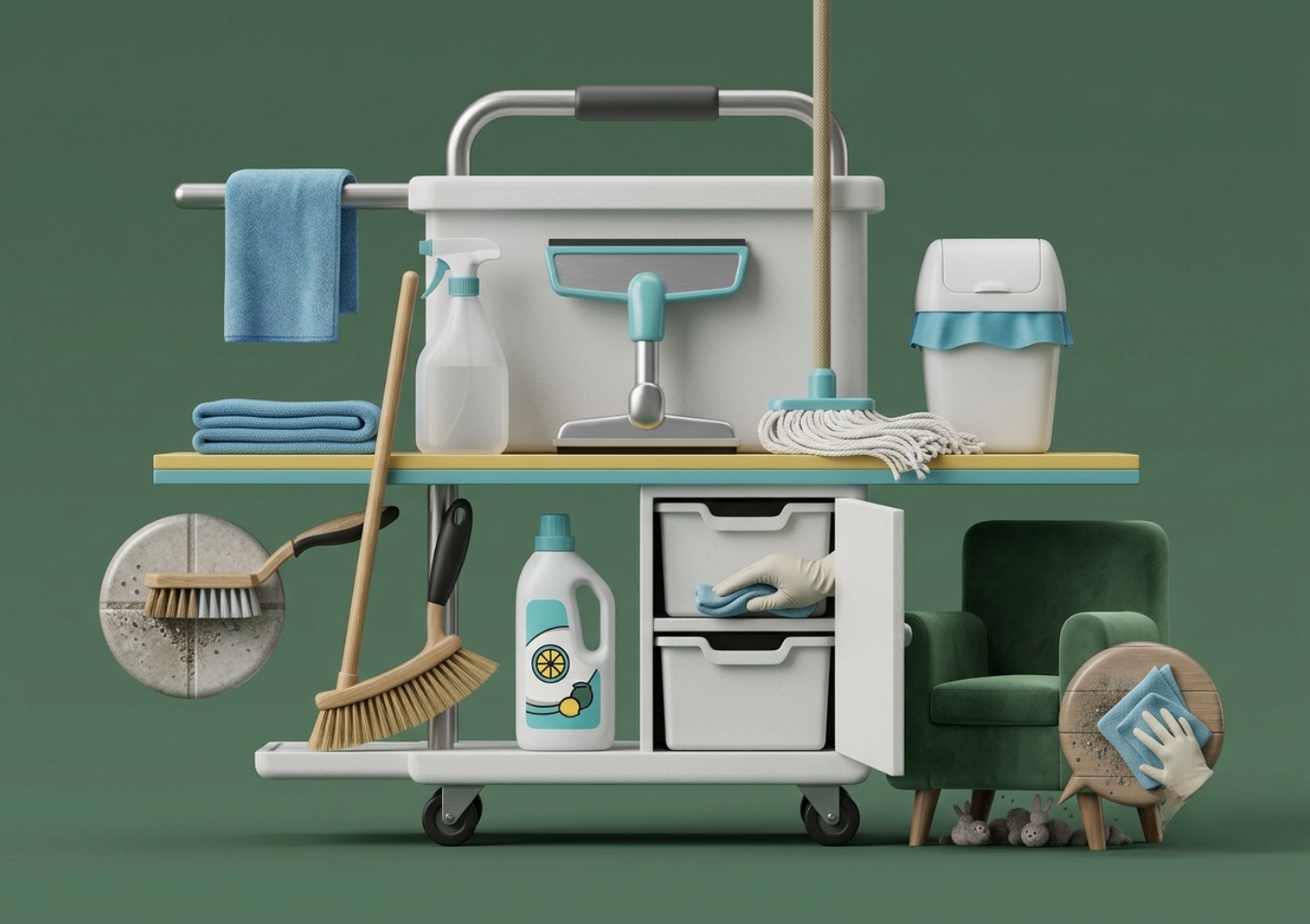
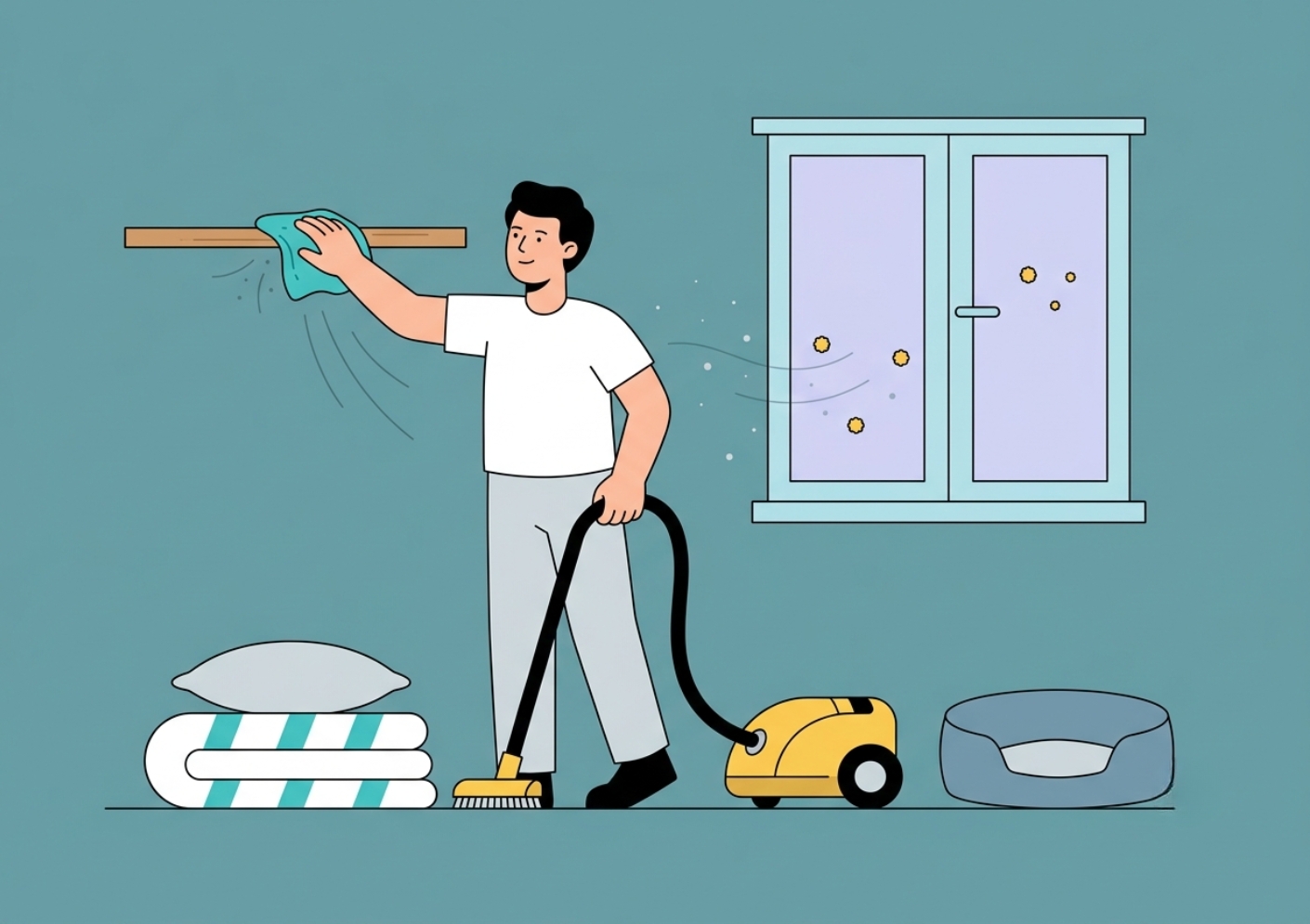
Use a damp microfibre cloth rather than dry dusting, which can send particles back into the air. Vacuum carpets, rugs, mattresses, and upholstery with a well-maintained machine and suitable filtration.
Work from high surfaces down to the floor. Empty the vacuum carefully and avoid doing so in the main living area.
Wash Fabrics Regularly
Bedding, curtains, cushion covers, throws, and pet blankets can hold pollen, dust, and dander. Follow care labels and wash items at an appropriate temperature.
Keep bedroom surfaces uncluttered and store clean bedding in closed cupboards. Soft toys may also need regular cleaning, especially when they are kept on a bed.
Maintain Ventilation and Filters
Ventilation remains important, although windows may need to stay closed during periods of high pollen. Clean extractor covers, air vents, and reusable filters as directed, and replace disposable filters at the recommended intervals.
Humidity should also be controlled because damp conditions may encourage mold and dust mites. Use ventilation methods that improve airflow without bringing unnecessary pollen into the home.
Follow a Consistent Routine
Cleaning can reduce indoor allergens, but it cannot guarantee that symptoms will disappear. Focus on bedrooms, soft furnishings, floors, pet areas, and entry points, using methods that trap particles rather than spreading them.
Wash fabrics regularly, clean in small sections, and check each area before moving on. Anyone with severe or persistent symptoms should seek appropriate medical advice.
A consistent routine is usually more effective than an occasional intensive clean during the worst week of allergy season.